







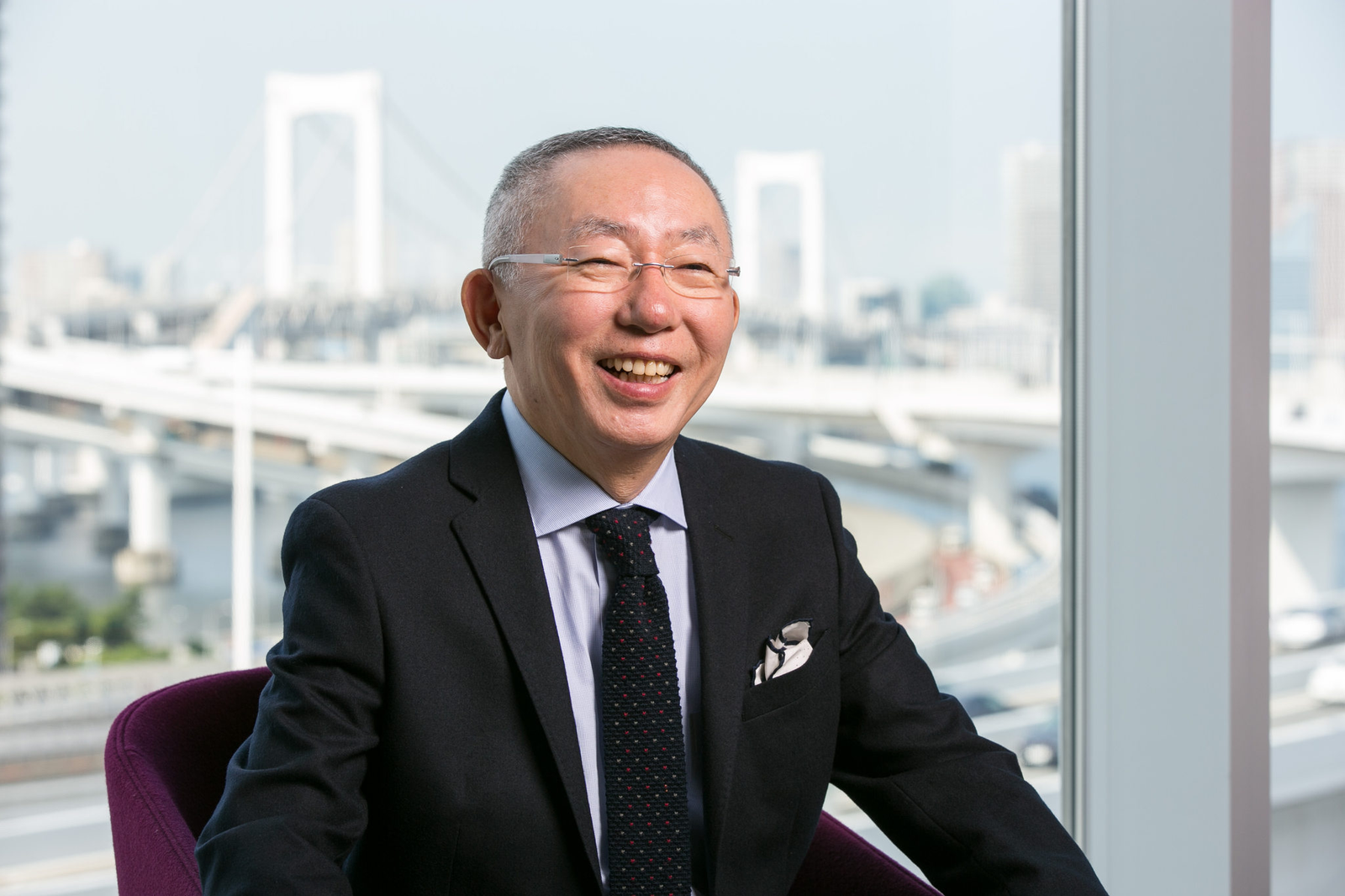
Tadashi Yanai is widely regarded as one of the most influential business leaders in contemporary retail. As the founder, chairman, and chief executive of Fast Retailing, Yanai transformed a small family tailoring business in Japan into a global apparel powerhouse best known for its flagship brand, Uniqlo. His legacy is defined by disciplined execution, long-term thinking, and a relentless focus on simplicity and functionality.
Born in 1949 in Yamaguchi Prefecture, Japan, Yanai joined his father’s menswear store after graduating from Waseda University. Early on, he recognized that traditional Japanese retail models were ill-suited to a rapidly globalizing economy. Inspired by U.S. specialty retailers, Yanai envisioned a brand that would offer high-quality, everyday clothing at accessible prices—products designed not around fashion cycles, but around real life.
That philosophy became the foundation of Uniqlo. Rather than chasing trends, Yanai positioned the brand around “LifeWear”: minimalist, functional apparel engineered for comfort, durability, and versatility. This approach stood in sharp contrast to fast-fashion competitors that relied on rapid turnover and aggressive trend replication. Under Yanai’s leadership, Uniqlo invested heavily in fabric innovation, supply-chain control, and long-term partnerships with manufacturers, allowing the company to scale globally without sacrificing consistency.

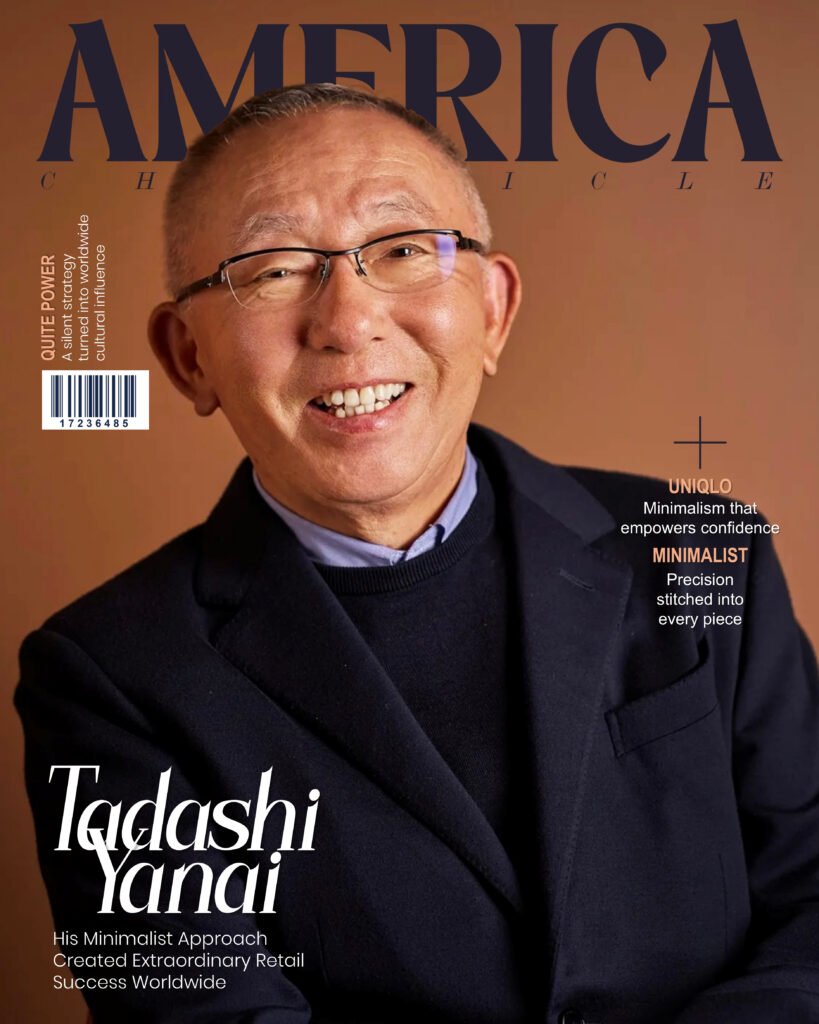
Yanai’s management style is notably demanding and data-driven. He is known for setting exceptionally high performance standards and encouraging internal debate, believing that failure is a necessary step toward improvement. His books and public statements frequently emphasize personal responsibility, meritocracy, and global mindset—values he argues are essential for Japanese companies competing internationally.
International expansion has been central to Yanai’s strategy. While many Japanese retailers struggled abroad, Uniqlo succeeded by adapting store formats, sizing, and merchandising to local markets while preserving its core identity. China, Southeast Asia, Europe, and the United States became key growth engines, positioning Fast Retailing as one of the world’s largest apparel groups by revenue.
Yanai has also been outspoken on social and economic issues. He has advocated for higher wages, greater labor mobility in Japan, and more openness to immigration, often challenging entrenched corporate and political norms. During times of crisis, including natural disasters and the COVID-19 pandemic, Yanai personally committed significant resources to relief efforts, reinforcing his reputation as a socially engaged corporate leader.
Today, Tadashi Yanai’s influence extends far beyond fashion. He represents a new model of Asian global leadership—one that combines operational rigor with philosophical clarity. His enduring impact lies not merely in building a successful brand, but in redefining how clothing companies can operate with purpose, scale responsibly, and remain relevant in a rapidly changing world.


