

The United States economy showed strong and stable growth in the first quarter of 2026, even as global tensions increased due to the Iran war. This situation created a mix of positive economic performance and rising uncertainty. While the economy expanded at a healthy pace, concerns about inflation and energy prices also started to grow.
In this blog, we will understand how the US economy performed during this period and what impact the Iran war had on it.
Strong Economic Growth in Early 2026
In the first quarter of 2026, the US economy grew at an annual rate of around 2%, which was a clear improvement compared to the previous quarter’s slow growth.
This growth was supported by:
- Increased business investments
- Strong government spending
- Continued development in technology, especially artificial intelligence
Even though the growth rate was slightly below expectations, it still showed that the US economy remained stable and resilient during global challenges.
Role of Artificial Intelligence and Business Investment
One of the biggest reasons for economic growth was the rapid expansion of AI and technology investments. Companies invested heavily in:
- Software development
- Data centers
- Advanced equipment
These investments boosted productivity and helped the economy maintain momentum. In fact, business investment played a major role in pushing GDP growth higher during this period.
This shows how modern technology is becoming a key driver of economic progress in the US.
Government Spending Supported Growth
Government spending also increased significantly after a slowdown in the previous quarter. This rise helped balance weaker areas of the economy.
Public sector spending contributed to:
- Infrastructure development
- Federal programs
- Economic recovery after earlier disruptions
This support played an important role in maintaining overall economic stability.
Consumer Spending Slowed Down
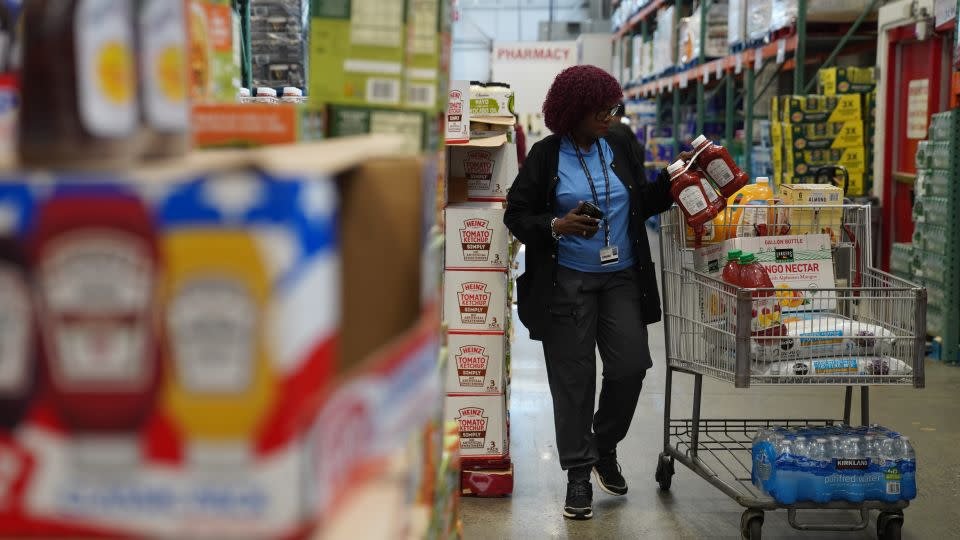
Although the economy grew, consumer spending increased at a slower pace. Consumer spending is very important because it makes up a large part of the US economy.
In the first quarter:
- Spending growth slowed to around 1.6%
- People became more cautious due to rising prices
This slowdown shows that while businesses were investing, everyday consumers were starting to feel financial pressure.
Impact of the Iran War on the Economy
The Iran war began during this period and created global uncertainty. One of the biggest effects was on energy prices.
Due to the conflict:
- Oil prices increased sharply
- Supply chains were affected
- Global markets became unstable
The war also disrupted the Strait of Hormuz, which is a major route for global oil supply. This caused fuel prices to rise and increased inflation worldwide.
Rising Inflation and Energy Costs
As oil prices increased, inflation also started rising in the US. Higher fuel costs affected:
- Transportation
- Production costs
- Household expenses
Inflation reached around 4.5%, which raised concerns for both consumers and policymakers.
This created a difficult situation where the economy was growing, but people were also facing higher living costs.
Strong Labor Market Performance
Despite global tensions, the US labor market remained strong:
- Unemployment stayed around 4%
- Job creation continued steadily
- Layoffs were low
This helped maintain economic stability and supported overall growth. A strong job market is a key sign of a healthy economy.
Mixed Economic Outlook
The overall economic situation can be described as “strong but cautious.”
Positive signs:
- Stable GDP growth
- Strong business investment
- Healthy job market
Negative concerns:
- Rising inflation
- Slowing consumer spending
- Global uncertainty due to war
Experts believe that if the war continues, it could create more pressure on the economy in the coming months.
What This Means for the Future
The first quarter of 2026 shows that the US economy is resilient, even during global crises. However, the future depends on several factors:
- Duration of the Iran war
- Changes in oil prices
- Federal Reserve policies
If inflation continues to rise, the government may take action by adjusting interest rates or controlling spending.
Conclusion
The US economy showed solid growth in the first quarter of 2026, proving its strength during uncertain times. Strong business investments and government spending helped support growth, while the Iran war created new challenges through rising inflation and energy costs.
This situation highlights the balance between economic strength and global risks. While the US economy remains stable for now, future growth will depend on how these challenges are managed.
FAQs
1. How much did the US economy grow in the first quarter of 2026?
The US economy grew at an annual rate of about 2%, showing steady improvement from the previous quarter.
2. What was the main reason behind economic growth?
The main drivers were AI investment, business spending, and government support.
3. How did the Iran war affect the US economy?
The war increased oil prices and inflation, which created pressure on consumers and businesses.
4. Why did consumer spending slow down?
Consumers spent less because of rising prices and economic uncertainty.
5. Is the US economy stable right now?
Yes, the economy is stable, but risks like inflation and global conflicts may affect future growth.
