

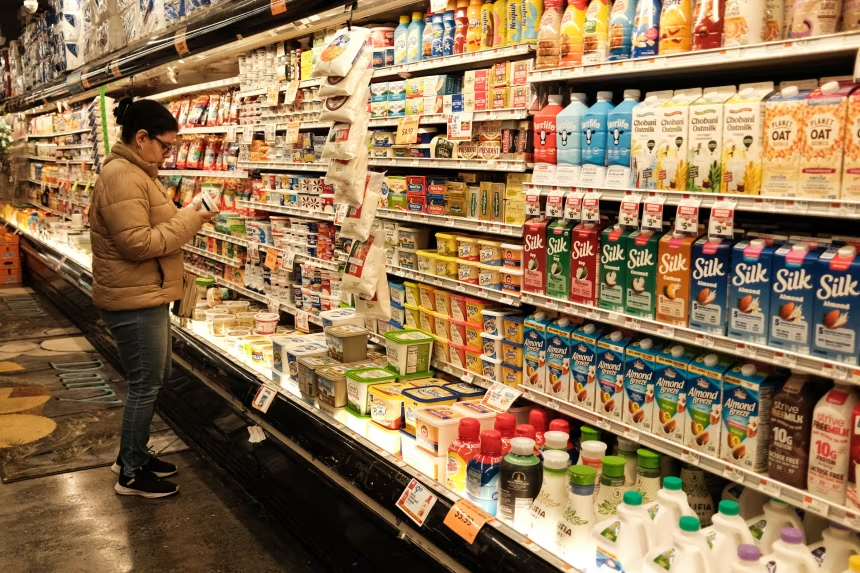
Inflation in the United States increased to 3.8% in April, creating new financial pressure for millions of Americans. Rising prices for food, housing, transportation, healthcare, and other daily essentials are making it harder for families to manage their monthly budgets. Even though wages have increased in some industries, many workers feel that their paychecks are not stretching as far as they used to.
Inflation affects almost every part of daily life. From grocery shopping to paying rent and fuel costs, Americans are spending more money than before. As inflation continues to rise, many people are worried about savings, debt, and future financial stability.
In this article, we will explain what inflation means, why prices are rising, how it affects American workers, and what experts believe may happen in the coming months.
What Does Inflation Mean?
Inflation is the rate at which the prices of goods and services increase over time. When inflation rises, the purchasing power of money decreases. This means people need to spend more money to buy the same products and services.
For example:
- A gallon of milk that cost $3 last year may now cost $3.50.
- Rent payments may increase every few months.
- Gasoline and transportation costs become more expensive.
When inflation grows faster than wages, workers lose purchasing power, and everyday life becomes more expensive.
Why Did Inflation Rise to 3.8%?
Several factors contributed to the rise in inflation during April.
1. Higher Housing Costs
Housing remains one of the biggest reasons inflation is increasing. Rent prices and homeownership costs continue to rise across many parts of the United States.
Many Americans are paying:
- Higher monthly rent
- Increased mortgage rates
- Rising property taxes
- More expensive home insurance
Housing expenses take a large portion of household income, making inflation feel even more painful.
2. Food Prices Continue to Increase
Food inflation is still affecting American families. Grocery prices remain high for many everyday products, including:
- Eggs
- Meat
- Bread
- Vegetables
- Dairy products
Restaurants and fast-food chains have also raised menu prices due to higher labor and supply costs.
Families with lower incomes are especially struggling because food is a basic necessity that cannot be avoided.
3. Energy and Fuel Costs
Gasoline and electricity prices increased again in April. Rising oil prices in global markets have affected transportation and delivery costs across the country.
When fuel becomes more expensive:
- Airlines raise ticket prices
- Shipping costs increase
- Product prices rise in stores
This creates a chain reaction that pushes inflation even higher.
4. Strong Consumer Spending
Even with higher prices, many Americans continue spending money on travel, entertainment, shopping, and services. Strong consumer demand keeps businesses busy, but it can also push prices upward.
Companies often increase prices when demand remains high.
How Inflation Is Affecting Americans’ Paychecks
Real Income Is Falling
Although some workers received salary increases over the past year, inflation is reducing the value of those raises.
For example:
- A worker may receive a 3% salary increase.
- But if inflation rises by 3.8%, their real purchasing power actually decreases.
This means people are earning more money on paper but can afford less in reality.
Families Are Using Savings
Many households are dipping into savings accounts to cover daily expenses. Some Americans are also relying more on:
- Credit cards
- Personal loans
- Buy-now-pay-later services
This can lead to growing debt and financial stress.
Middle-Class Americans Feel the Pressure
Middle-income families are among the hardest hit because they often face:
- Higher childcare costs
- Increased rent or mortgage payments
- Rising insurance premiums
- Expensive healthcare bills
Many families are cutting back on vacations, dining out, and entertainment to manage expenses.
Impact on Businesses
Inflation does not only affect consumers. Businesses are also dealing with:
- Higher wages
- Increased transportation costs
- Expensive raw materials
- Rising utility bills
To protect profits, many companies pass these extra costs on to customers through higher prices.
Small businesses often struggle the most because they have limited financial flexibility.
What the Federal Reserve May Do
The Federal Reserve, America’s central banking system, closely watches inflation data. Its main goal is to keep inflation under control while supporting economic growth.
To fight inflation, the Federal Reserve may:
- Keep interest rates high
- Delay rate cuts
- Reduce borrowing activity
Higher interest rates can:
- Make loans more expensive
- Slow down spending
- Reduce inflation over time
However, high rates can also slow economic growth and increase financial pressure on households and businesses.
Could Inflation Continue Rising?
Economists remain divided about the future of inflation.
Some experts believe inflation may slowly decrease later this year if:
- Energy prices stabilize
- Supply chains improve
- Consumer spending slows
Others worry that:
- Housing costs will remain high
- Global conflicts may increase oil prices
- Wage growth could keep prices elevated
The coming months will be important for determining whether inflation becomes more manageable or remains a long-term problem.
Tips for Managing Inflation
Americans can take several steps to reduce financial pressure during inflationary periods.
Create a Budget
Track spending carefully and focus on essential expenses.
Reduce Unnecessary Purchases
Avoid impulse buying and limit luxury spending when possible.
Build Emergency Savings
Even small monthly savings can help during financial emergencies.
Compare Prices
Look for discounts, coupons, and lower-cost alternatives when shopping.
Pay Down High-Interest Debt
Reducing credit card debt can help protect long-term finances.
Conclusion
The rise of US inflation to 3.8% in April has increased financial stress for millions of Americans. Higher prices for housing, food, fuel, and services are reducing the value of workers’ paychecks and making everyday life more expensive.
While the economy continues to show strength in some areas, inflation remains one of the biggest concerns for households, businesses, and policymakers. Many families are adjusting their budgets and spending habits as they try to cope with rising living costs.
The future of inflation will depend on economic conditions, government policies, energy prices, and consumer behavior. Until inflation slows down, Americans may continue feeling pressure on their finances and purchasing power.
FAQs
1. What is inflation?
Inflation is the increase in prices of goods and services over time, which reduces the purchasing power of money.
2. Why did US inflation rise to 3.8%?
Inflation increased mainly due to higher housing costs, food prices, energy expenses, and strong consumer spending.
3. How does inflation affect paychecks?
When prices rise faster than wages, workers can buy fewer goods and services even if their salaries increase.
4. What is the Federal Reserve doing about inflation?
The Federal Reserve may keep interest rates high to reduce spending and help slow inflation.
5. Will inflation decrease in the future?
Experts believe inflation could slowly decline, but housing costs, fuel prices, and global economic conditions may keep inflation elevated for some time.
