

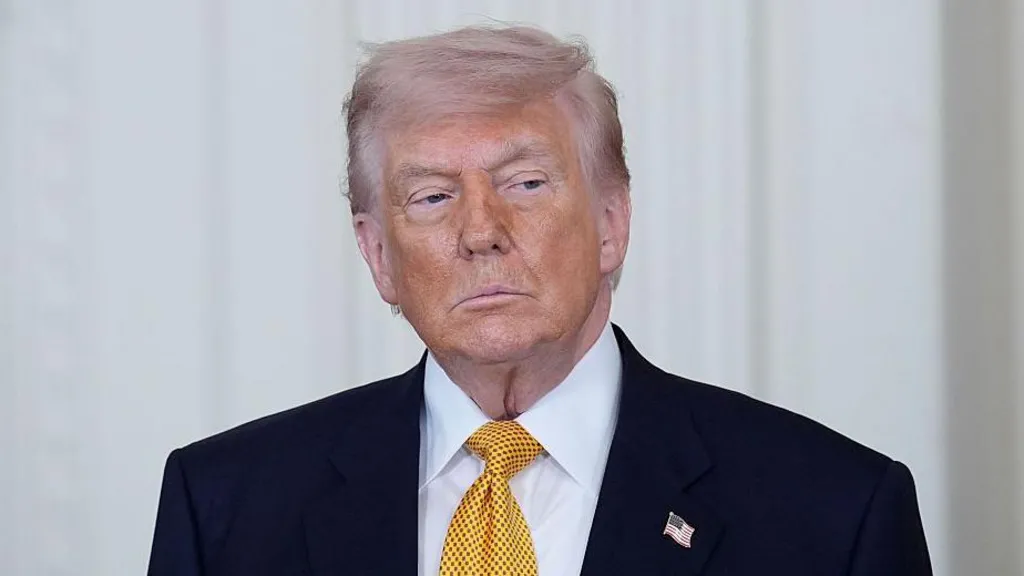
Tensions between the United States and Iran have increased once again after former U.S. President Donald Trump strongly criticized Iran’s latest response to a U.S. peace proposal aimed at ending the ongoing conflict in the Middle East. Trump described Iran’s reply as “totally unacceptable,” showing that negotiations between the two countries are still facing major difficulties.
The situation has created global concern because the conflict affects not only the Middle East but also oil prices, international trade, and world security. Many countries are closely watching the developments as diplomatic talks continue.
Background of the Conflict
The conflict between the United States and Iran has a long history. Over the years, tensions have grown due to disagreements about Iran’s nuclear program, sanctions, military activities, and regional influence.
Recently, the war situation became more serious after attacks and military clashes in areas connected to the Strait of Hormuz, an important shipping route for global oil supplies. The United States proposed a peace plan to reduce violence and start negotiations for a ceasefire.
However, Iran’s response reportedly included several demands that the U.S. administration did not accept.
What Did Iran Demand?
According to reports, Iran asked for:
- An immediate end to the war
- Removal of economic sanctions
- Reopening of the Strait of Hormuz
- Withdrawal of some U.S. military forces
- Guarantees against future attacks
- Discussions without focusing heavily on Iran’s nuclear program
Iran also reportedly refused to fully dismantle its nuclear facilities, which remains one of the biggest concerns for the United States and its allies.
These conditions created disagreement during negotiations.
Trump’s Strong Reaction
After reviewing Iran’s proposal, Trump publicly responded on social media, saying:
“I don’t like it — TOTALLY UNACCEPTABLE!”
His statement quickly gained international attention and increased uncertainty about whether peace talks would succeed.
Trump has repeatedly said that Iran must completely stop developing nuclear weapons and reduce military aggression before any long-term agreement can happen.
He also warned that the United States would continue taking strong action if Iran refused to cooperate.
Impact on Global Markets
The ongoing tensions have already affected international markets. Oil prices increased sharply because investors fear disruption in oil shipments through the Strait of Hormuz. This route is one of the world’s most important oil transport channels.
Stock markets also showed signs of nervousness after Trump rejected Iran’s proposal. Investors are worried that a larger conflict could damage the global economy.
Many energy experts believe that continued instability in the region may lead to:
- Higher fuel prices
- Increased inflation
- Supply chain disruptions
- Economic uncertainty worldwide
Role of Pakistan and Other Countries
Reports suggest that Pakistan acted as a mediator between the United States and Iran during recent negotiations. Other countries like Qatar have also been involved in diplomatic discussions to prevent further escalation.
Several world leaders are encouraging both sides to continue peaceful dialogue instead of military action.
International organizations are also calling for calm and urging all parties to avoid actions that could worsen the conflict.
Concerns About Nuclear Talks
One of the biggest issues remains Iran’s nuclear program. The United States wants strict limits on uranium enrichment and nuclear development.
Iran, however, appears unwilling to fully accept those conditions. Reports say Iran proposed only temporary restrictions instead of permanent changes.
Because of this disagreement, experts believe future negotiations may remain difficult.
Public Reaction
The situation has created mixed reactions across the world. Some people support Trump’s hard stance against Iran, believing stronger pressure is necessary to maintain global security.
Others worry that rejecting diplomatic proposals could increase the chances of a larger war in the Middle East.
Many Americans are also concerned about rising fuel prices and the economic effects of continued conflict.
What Could Happen Next?
At the moment, the future remains uncertain. Diplomats are still trying to keep communication channels open between both countries.
Possible next steps may include:
- Further negotiations
- New sanctions
- Temporary ceasefire agreements
- Increased military pressure
- International mediation efforts
Experts believe the coming weeks will be very important for determining whether the conflict moves toward peace or deeper confrontation.
Conclusion
Trump’s decision to call Iran’s response “totally unacceptable” has added new tension to an already dangerous situation in the Middle East. While diplomatic talks continue, major disagreements over sanctions, military activity, and Iran’s nuclear program remain unresolved.
The conflict is affecting global markets, oil prices, and international politics. Many countries are hoping both sides can eventually reach a peaceful solution to avoid further violence and economic damage.
As negotiations continue, the world will closely watch how the United States and Iran handle the growing crisis.
FAQs
1. Why did Trump reject Iran’s response?
Trump rejected Iran’s response because he believed the proposal did not meet U.S. demands, especially regarding Iran’s nuclear program and military activities.
2. What is the Strait of Hormuz?
The Strait of Hormuz is an important waterway through which a large percentage of the world’s oil supply passes.
3. Why are oil prices increasing?
Oil prices are increasing because investors fear that the conflict could disrupt oil shipments from the Middle East.
4. What role is Pakistan playing?
Pakistan is reportedly acting as a mediator between the United States and Iran to help continue peace negotiations.
5. Can the conflict still end peacefully?
Yes, diplomatic talks are still ongoing, and many countries are encouraging peaceful negotiations to avoid further war.
