

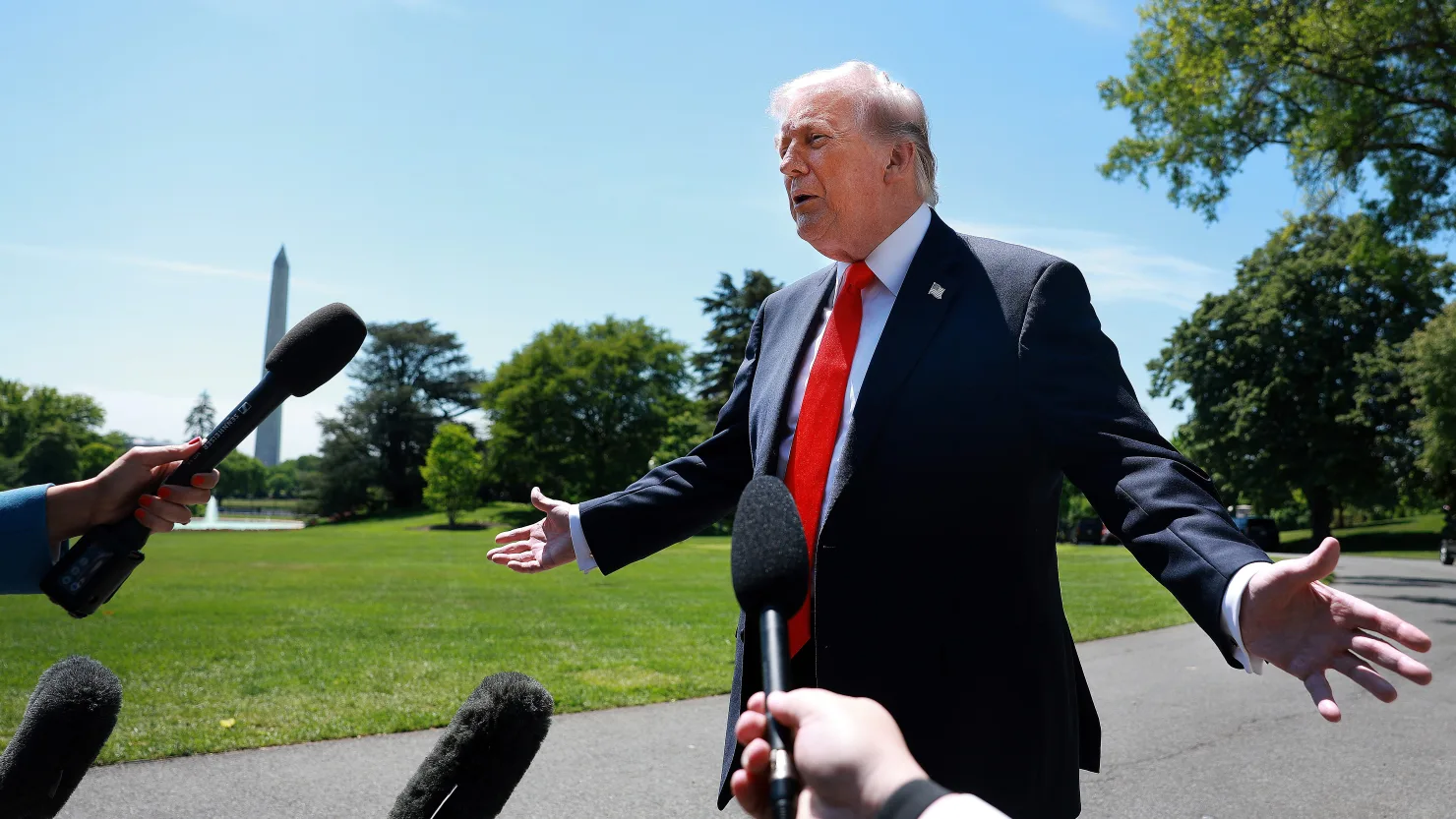
The recent statement by Donald Trump about freeing ships trapped in the Persian Gulf has created global attention. According to him, the United States would take strong action if shipping routes are blocked near the Strait of Hormuz. This situation is very important because the Strait of Hormuz is one of the most critical oil routes in the world.
Let’s understand what is happening, why it matters, and what it could mean for the global economy.
What Is the Strait of Hormuz and Why Is It Important?
The Strait of Hormuz is a narrow waterway between Iran and Oman. It connects the Persian Gulf to the Arabian Sea. This route is extremely important because:
- Around 20% of the world’s oil passes through it
- Many countries depend on this oil supply
- It is a key route for global trade
If this route is blocked, it can affect fuel prices, transportation, and economies around the world.
What Did Trump Say?
Donald Trump stated that the U.S. would act to “free” ships if they are stuck due to any blockage in the Strait of Hormuz. His statement suggests that:
- The U.S. may use military or strategic power
- It will ensure free movement of ships
- It wants to protect global trade and oil supply
This statement comes at a time when tensions in the Middle East are rising.
Why Are Ships Getting Trapped?
Ships can get trapped in this region due to several reasons:
1. Political Tensions
Conflicts between countries in the Middle East, especially involving Iran, can lead to restrictions on shipping routes.
2. Military Activity
Naval presence and military operations can slow or block ship movement.
3. Security Concerns
Threats like attacks on oil tankers or piracy can make shipping companies avoid the area.
Global Impact of Strait Closure
If the Strait of Hormuz is closed or restricted, the effects can be serious:
🚢 1. Oil Prices Will Rise
Less oil supply means higher prices globally.
🌍 2. Economic Instability
Countries that depend on imported oil may face economic pressure.
⛽ 3. Fuel Shortages
Transportation and industries may suffer due to lack of fuel.
📉 4. Stock Market Impact
Global markets often react negatively to geopolitical tensions.
What Role Does the U.S. Play?
The United States has always played a major role in protecting global trade routes. If ships are trapped, the U.S. could:
- Deploy naval forces
- Escort commercial ships safely
- Work with allies to maintain security
Trump’s statement reflects this traditional approach of maintaining control over international waterways.
Possible Reactions from Other Countries
Other countries may respond differently:
- Allies of the U.S. may support the action
- Middle Eastern nations may see it as interference
- Global organizations may call for peace talks
This situation could either lead to cooperation or increase tensions further.
What Could Happen Next?
There are a few possible outcomes:
✔️ Peaceful Resolution
Countries may negotiate and reopen the route safely.
⚠️ Military Action
If tensions rise, military involvement could increase.
🔄 Temporary Disruptions
Shipping may face delays, but not a full closure.
Why This Situation Matters to Everyone
Even if you are far from the Middle East, this issue can affect you:
- Petrol and diesel prices may increase
- Goods may become more expensive
- Global economy may slow down
This shows how connected the world is today.
Conclusion
The statement by Donald Trump about freeing ships in the Strait of Hormuz highlights the importance of this critical waterway. Any disruption in the Persian Gulf can have serious global effects.
While the situation is still developing, it is important for countries to focus on peace and cooperation. Keeping trade routes open is essential for economic stability and global growth.
FAQs
1. Why is the Strait of Hormuz so important?
It is one of the main routes for transporting oil worldwide. A large portion of global oil supply passes through it.
2. What did Trump say about the situation?
He said the U.S. would take action to free ships if they get trapped due to any blockage.
3. What happens if the Strait of Hormuz is closed?
Oil prices may rise, trade may slow down, and global economies could be affected.
4. Can the U.S. control the Strait of Hormuz?
The U.S. cannot fully control it, but it can use its military to protect shipping routes.
5. Will this situation lead to war?
Not necessarily. It depends on how countries respond. Peaceful solutions are still possible.
