

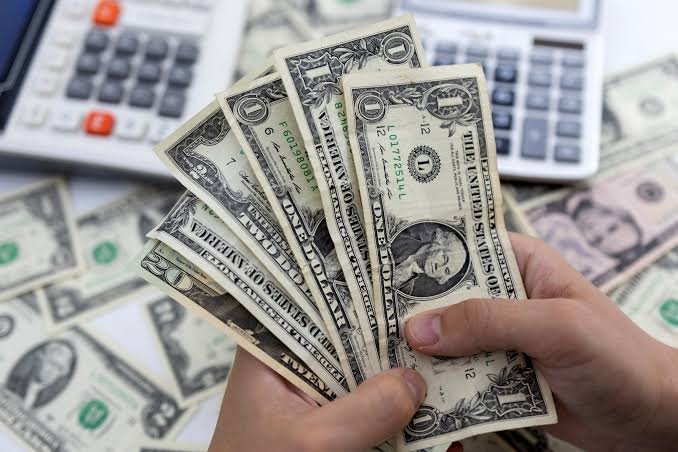
The U.S. dollar (USD) remains the most important currency in the global financial system. Even though countries such as China and economic groups such as the European Union are becoming more influential, the dollar continues to play a central role in international trade, banking, investment, and foreign exchange markets.
But why is the U.S. dollar still so powerful? The answer is not based on just one factor. The strength of the dollar comes from the size of the U.S. economy, the global financial system, deep capital markets, international trade, and decades of trust in the currency.
What Makes the U.S. Dollar So Powerful?
The U.S. dollar is powerful because it performs several important roles around the world. It is widely used as a reserve currency, trading currency, investment currency, and pricing currency.
Central banks in many countries hold U.S. dollar assets as part of their foreign exchange reserves. Businesses also use dollars when buying and selling goods internationally.
For example, important commodities such as oil and many other globally traded products are commonly priced in U.S. dollars. This creates continuous international demand for the currency.
1. The Dollar Is the World’s Leading Reserve Currency
One of the biggest reasons for the dollar’s global influence is its role as a reserve currency.
Central banks hold foreign currencies and other assets to help manage their economies and international payments. The U.S. dollar has traditionally represented the largest share of global foreign exchange reserves.
This creates a powerful cycle. Because many countries already hold dollars, they have a reason to continue using dollars for international transactions.
In simple terms, the more widely the dollar is used, the more useful it becomes.
2. The U.S. Has One of the World’s Largest Economies
The United States has a huge economy with businesses operating across technology, finance, manufacturing, energy, healthcare, entertainment, and many other industries.
A large and diversified economy supports demand for U.S. financial assets and the dollar.
Global companies also frequently interact with American businesses, investors, banks, and consumers. This makes the dollar an important part of international commerce.
3. Deep and Liquid Financial Markets
The United States has some of the world’s deepest financial markets.
Investors can buy and sell U.S. government bonds, corporate bonds, stocks, and other financial assets on a massive scale. The U.S. Treasury market is especially important because it provides investors with highly traded government securities.
For international investors, liquidity matters. They want to know that they can enter or exit a large investment without significantly affecting the market.
The size and liquidity of U.S. financial markets make dollar assets attractive to investors around the world.
4. The Dollar Is Widely Used in International Trade
The U.S. dollar is commonly used for international trade and financial contracts, even when the United States is not directly involved in the transaction.
For example, companies in different countries may choose to invoice a transaction in dollars because the currency is widely accepted and easy to exchange.
This is particularly important for commodities and global supply chains.
The result is another reinforcing cycle: businesses use dollars because other businesses already use dollars.
5. Trust in U.S. Institutions Matters
Currency strength is not simply about economic size. Confidence and institutions also matter.
The U.S. Federal Reserve plays a central role in monetary policy and financial stability. The U.S. Treasury market also provides a major source of dollar-denominated government securities.
Investors generally value markets where financial assets can be traded at scale and where institutions have established rules and procedures.
This institutional confidence has helped the dollar maintain its global position for decades.
6. The Dollar Benefits From a Powerful Network Effect
A major reason the dollar remains dominant is the network effect.
Imagine a payment system used by millions of people. A business is more likely to use that system because its customers and suppliers already use it.
Currencies can work in a similar way.
Countries and companies often choose the dollar because other countries and companies already use it. Moving to another currency would require changes to contracts, banking systems, reserves, payment arrangements, and financial markets.
That makes a complete shift away from the dollar difficult and expensive.
7. Why Are Some Countries Trying to Reduce Dollar Dependence?
The dollar’s dominance does not mean every country wants to depend on it forever.
Some governments have been exploring greater use of other currencies for international trade and reserves. China, for example, has promoted wider international use of the Chinese yuan.
Countries may also want to reduce their exposure to U.S. monetary policy, financial sanctions, or changes in global interest rates.
However, challenging the dollar’s position requires more than creating an alternative currency. A competing currency needs large financial markets, international liquidity, strong institutions, and broad global acceptance.
Is the U.S. Dollar Losing Its Global Power?
The dollar faces competition, but losing some market share is different from losing global dominance.
The euro remains an important international currency, while the Chinese yuan has increased its role in cross-border transactions. Other currencies are also used in regional trade.
However, replacing the dollar completely would require a major transformation of the global financial system.
The dollar’s existing infrastructure gives it a significant advantage. Banks, companies, investors, governments, and financial institutions already have systems designed around dollar transactions.
What Could Challenge the Dollar in the Future?
Several developments could affect the dollar’s global position.
These include changes in U.S. economic policy, rising government debt, geopolitical tensions, the growth of China’s economy, increased use of alternative currencies, and the development of digital payment systems.
Central bank digital currencies and other financial technologies could also make international payments faster and potentially change how currencies are used.
Still, technological change alone does not automatically create a replacement for the dollar. The alternative must also have deep financial markets and widespread international trust.
Why the Dollar Still Matters to Ordinary People
The dollar’s global role can affect people far beyond Wall Street or central banks.
Exchange rates influence the cost of imported products, international travel, fuel, technology, education, and many other goods and services.
For businesses, dollar movements can affect import costs, export competitiveness, profits, and international investment.
This means changes in the dollar can have an indirect impact on consumers and businesses around the world.
Conclusion
The U.S. dollar remains the world’s most powerful currency because of a combination of economic strength, financial-market depth, international trade, institutional confidence, and network effects.
Other currencies are becoming more important, and some countries are actively trying to reduce their dependence on the dollar. However, replacing the dollar is difficult because the global financial system is already deeply connected to it.
The future may bring a more diversified international monetary system, but for now, the dollar remains at the center of global finance.
