

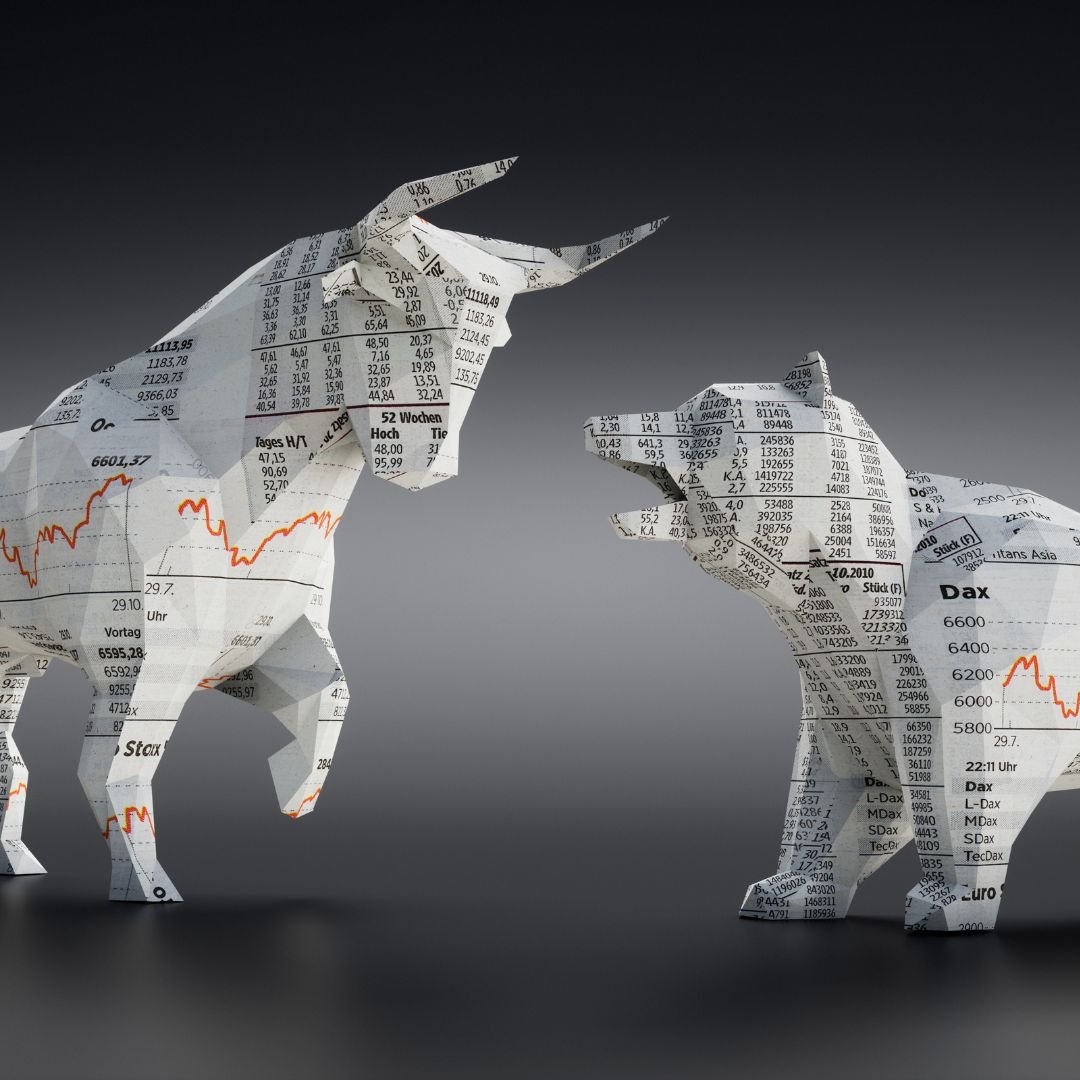
The stock market is often explained through numbers, charts, earnings, interest rates, and economic data. But behind every market movement are people making decisions. Their emotions can strongly influence whether they buy, sell, or hold an investment.
Two of the strongest emotions in financial markets are fear and greed. Fear can make investors sell quickly when prices fall, while greed can encourage people to buy aggressively when prices are rising. Together, these emotions can create rallies, market bubbles, sharp corrections, and even major crashes.
Understanding market psychology can help investors make more thoughtful decisions instead of reacting emotionally.
What Is Market Psychology?
Market psychology is the study of how investor emotions and behavior influence financial markets.
Investors do not always make decisions based only on facts. Confidence, fear, excitement, uncertainty, and the fear of missing out can all affect financial decisions.
For example, when a stock rises rapidly, investors may believe that the price will continue climbing. More people start buying, which can push the price even higher. This creates a cycle of optimism and greed.
The opposite can happen during a market decline. Investors may become worried about losing money and start selling. Heavy selling can push prices lower, creating even more fear.
This emotional cycle is one reason markets can sometimes move much faster than company fundamentals suggest.
How Fear Affects the Stock Market
Fear is one of the most powerful forces in investing.
When investors become afraid, they often focus more on protecting their money than on finding opportunities. Negative economic news, geopolitical events, disappointing company results, rising interest rates, or unexpected crises can increase market fear.
During periods of extreme fear, investors may sell stocks quickly. If many investors do the same thing at once, prices can fall sharply.
Fear can also create opportunities. A strong company may become cheaper during a broad market sell-off, even though its long-term business outlook has not changed significantly.
However, trying to buy during a falling market requires patience and careful research.
How Greed Drives Market Rallies
Greed works in the opposite direction.
When markets are rising, investors can become increasingly confident. They may see other people making money and decide they do not want to miss the opportunity.
This behavior is often connected to FOMO, or the fear of missing out.
FOMO can cause investors to purchase assets simply because prices are rising. In extreme cases, this behavior can contribute to speculative bubbles.
A bubble occurs when an asset’s price rises far beyond what its underlying value may reasonably support. When confidence disappears, investors may rush to sell, causing a sharp decline.
Why Investors Buy High and Sell Low
One of the most common mistakes in investing is buying when prices are already very high and selling after prices have fallen.
Why does this happen?
The answer is often emotional decision-making.
When markets rise, investors may feel confident because everyone around them appears to be making money. They buy because they expect prices to rise further.
When markets fall, the same investors may panic. They sell because they fear losing even more money.
This creates a simple emotional cycle:
Optimism → Excitement → Greed → Overconfidence → Fear → Panic → Recovery
Understanding this cycle can help investors recognize when emotions may be influencing their decisions.
The Role of Herd Mentality
Humans naturally look at what other people are doing when they are uncertain. The same behavior appears in financial markets.
This is known as herd mentality.
If millions of investors appear to be buying a particular stock or asset, others may assume that those investors know something important. They may follow the crowd without doing their own research.
Herd behavior can push prices upward quickly. It can also accelerate a market decline when investors start selling at the same time.
Social media has made this effect even more visible. Investment discussions, viral posts, influencers, and online communities can spread market optimism or fear within minutes.
How Billion-Dollar Decisions Are Influenced by Emotion
Large financial institutions and professional investors use sophisticated research, technology, and risk-management systems. However, human psychology can still influence market behavior.
When billions of dollars move in response to changing expectations, prices can react quickly.
For example, if investors suddenly become worried about economic growth, they may reduce exposure to riskier assets. If confidence improves, investors may increase their positions again.
This is why market movements are not always perfectly predictable.
Markets reflect not only what is happening today but also what investors expect to happen in the future.
How Investors Can Control Fear and Greed
Investors cannot completely remove emotions from investing, but they can build systems that reduce emotional decisions.
Some useful approaches include:
- Create an investment plan: Know why you are investing and what your goals are.
- Think long term: Avoid making decisions based only on daily price movements.
- Diversify: Avoid putting all your money into one asset or company.
- Research before investing: Understand the business, risks, valuation, and financial performance.
- Avoid FOMO: A rising asset is not automatically a good investment.
- Review your risk tolerance: Understand how much loss you can realistically handle.
- Avoid panic selling: A falling market does not automatically mean that every investment is permanently damaged.
The goal is not to eliminate fear or greed. The goal is to prevent these emotions from controlling every investment decision.
Why Understanding Market Psychology Matters
Stock markets are driven by a combination of business fundamentals, economic conditions, expectations, liquidity, and investor behavior.
Fear and greed can amplify all of these factors.
A small piece of negative news may create a large market reaction if investors are already nervous. Similarly, positive news can produce an exaggerated rally when investors are highly optimistic.
For this reason, understanding psychology is an important part of understanding financial markets.
Conclusion
Fear and greed are two of the most powerful emotions in the stock market. Fear can lead to panic selling, while greed can encourage excessive buying and risk-taking.
The best investors understand that emotions are part of human behavior. Instead of trying to predict every market move, investors can focus on research, diversification, risk management, and long-term goals.
Markets will always experience periods of optimism and fear. The key is learning how these emotions work and making decisions based on a clear strategy rather than the emotions of the crowd.
