

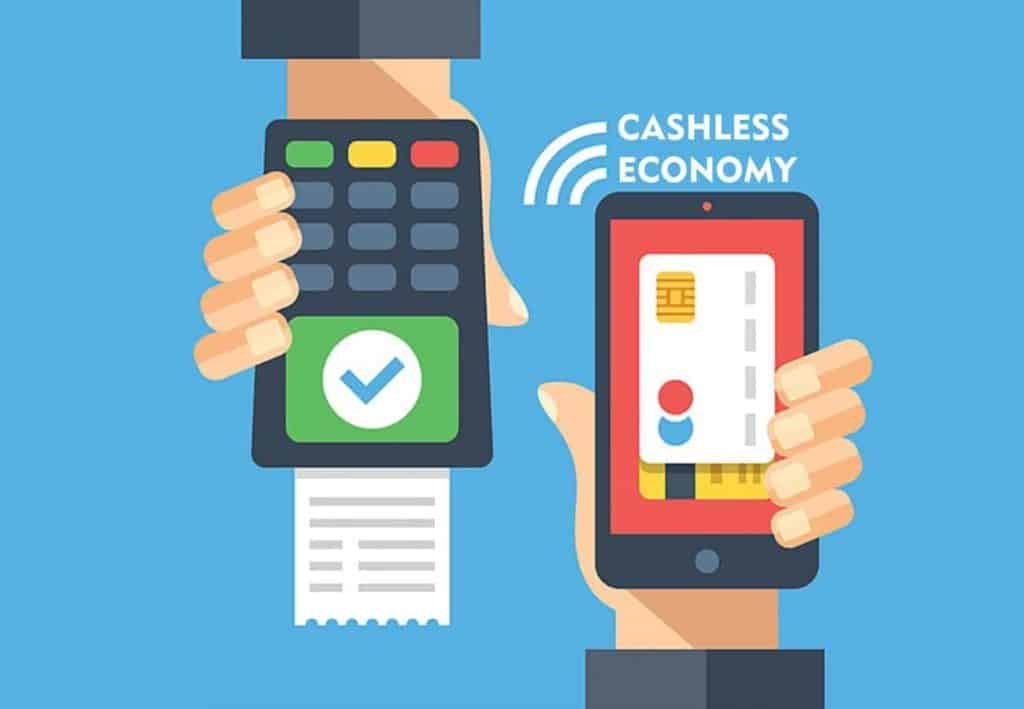
America is steadily moving toward a more digital and less cash-dependent economy. From mobile wallets and contactless cards to online banking and instant payment services, digital payments have become part of everyday life for millions of Americans.
A cashless economy does not necessarily mean that physical money will disappear completely. Instead, it means people and businesses increasingly use electronic methods to pay for goods, services, bills, and transfers.
The growth of fintech companies, smartphones, faster payment networks, and changing consumer habits is helping accelerate this transformation.
What Is a Cashless Economy?
A cashless economy is a system where most financial transactions are completed without physical cash. Instead of handing over notes and coins, consumers can pay electronically using debit cards, credit cards, mobile wallets, bank transfers, QR codes, and other digital payment methods.
In the United States, consumers can use services such as Apple Pay, Google Pay, PayPal, Venmo, Zelle, and card-based contactless payments. These options make transactions faster and more convenient.
However, America is not completely cashless. Cash remains important for many consumers and businesses, especially for small purchases, budgeting, tips, and situations where electronic payments are unavailable.
Why Is America Moving Toward Digital Payments?
Several factors are driving America’s shift toward digital payments.
1. Smartphone Adoption
Smartphones have made digital payments easier than ever. Consumers can connect bank cards to mobile wallets and make payments using their phones or smartwatches.
Instead of carrying multiple cards or cash, users can often complete a transaction with a quick tap.
2. Contactless Payments
Contactless payment technology has become increasingly common in stores, restaurants, transportation systems, and other businesses.
Customers can simply tap a compatible card or mobile device on a payment terminal. This makes checkout faster and can reduce the time spent handling cash.
3. Growth of Fintech
Financial technology, or fintech, is playing a major role in America’s digital payment revolution.
Fintech companies are developing services that allow consumers to send money, receive payments, manage accounts, pay bills, and shop online through digital platforms.
These services have made financial transactions more convenient for both consumers and businesses.
4. Growth of E-Commerce
Online shopping has also increased the demand for digital payments. When consumers purchase products from an online store, electronic payment is usually the easiest option.
As e-commerce continues to develop, digital payment systems are becoming an essential part of the American economy.
Popular Digital Payment Methods in the United States
Americans have many options for making electronic payments.
Credit and debit cards: Cards remain among the most widely used payment methods for everyday purchases.
Mobile wallets: Services such as Apple Pay and Google Pay allow users to store payment cards on smartphones and compatible devices.
Peer-to-peer payments: Platforms such as Venmo, Zelle, and PayPal allow people to send and receive money electronically.
Online bank transfers: Consumers can transfer money between accounts or pay businesses directly through online banking.
Contactless cards: These cards use near-field communication technology to allow quick tap-to-pay transactions.
Benefits of a Cashless Economy
The move toward digital payments offers several potential benefits.
Faster Transactions
Digital payments can make checkout quicker. Customers do not need to count cash or wait for change.
Convenience
People can make payments from smartphones, computers, cards, and other connected devices.
Better Record Keeping
Electronic transactions create digital records. This can make it easier for consumers and businesses to track spending and payments.
Growth for Small Businesses
Digital payment tools can help small businesses accept payments online and in physical stores without relying only on cash.
Greater Access to Financial Services
Fintech platforms can provide convenient financial tools to people who may find traditional banking services difficult to access.
Challenges of a Cashless America
Despite its advantages, a cashless economy also creates challenges.
Privacy Concerns
Digital transactions create electronic records. Some consumers are concerned about how payment data is collected, stored, and used.
Cybersecurity Risks
Online payments can be targeted by fraudsters, hackers, and scammers. Strong passwords, multi-factor authentication, secure devices, and careful payment habits are important.
Digital Exclusion
Not everyone has the same access to smartphones, bank accounts, internet services, or digital financial tools. A rapid shift away from cash could create difficulties for some people.
Technology Dependence
Digital payments depend on electricity, internet connections, payment networks, and functioning devices. Technical outages can temporarily disrupt transactions.
What Role Does the Federal Reserve Play?
The Federal Reserve plays an important role in America’s payment system. It operates and supports parts of the country’s financial infrastructure and works to promote a safe and efficient payments system.
The Federal Reserve has also developed FedNow, an instant payment service that allows participating financial institutions to send and receive payments within seconds, around the clock.
Instant payment infrastructure could further support America’s transition toward faster digital transactions.
Is America Going Completely Cashless?
No. America is becoming more digital, but that does not mean cash will disappear immediately.
Cash continues to serve an important purpose. Some consumers prefer it for budgeting and privacy, while some businesses and communities continue to rely on physical money.
The more realistic trend is a less-cash economy, where digital payments handle an increasing share of transactions while cash remains available as another payment option.
What Is the Future of Digital Payments in America?
The future of payments is likely to become faster, more connected, and increasingly digital.
Mobile wallets, instant payments, contactless technology, artificial intelligence, improved fraud detection, and fintech innovation could continue changing how Americans manage money.
Businesses will also need to provide secure and convenient payment choices as consumer expectations evolve.
At the same time, financial institutions and policymakers will need to address cybersecurity, privacy, consumer protection, and access to financial services.
Conclusion
America is moving toward a cashless economy because digital payments offer speed, convenience, flexibility, and easier financial management. Smartphones, fintech platforms, e-commerce, contactless cards, and instant payment technology are all contributing to this transformation.
However, the United States is unlikely to become completely cashless in the immediate future. Cash still has value for consumers and businesses, particularly where digital access is limited.
The future of payments in America will probably be a combination of digital and traditional methods, with electronic payments becoming increasingly important in everyday economic activity.
