

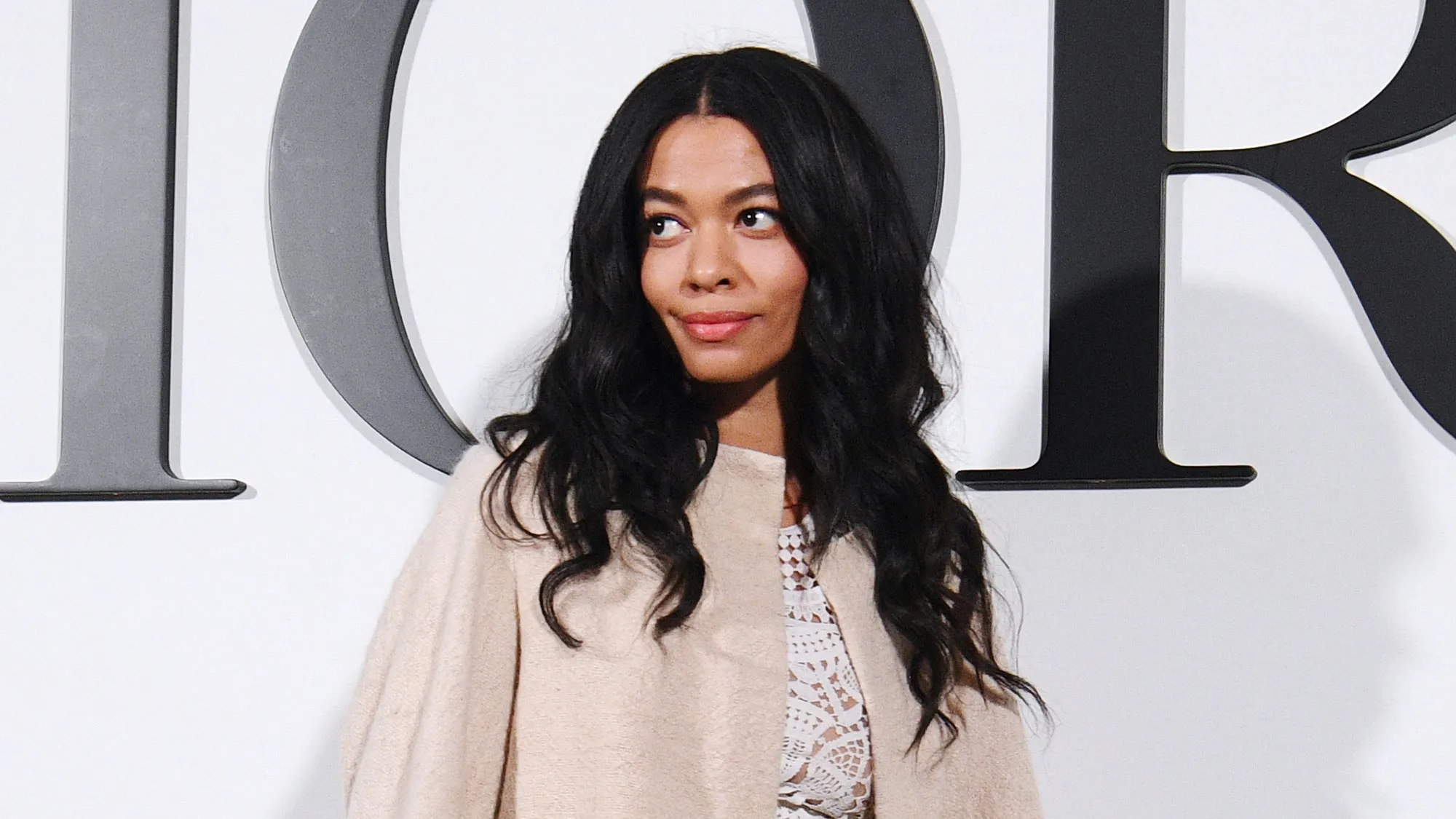
Luxury fashion has long been associated with famous designers, expensive materials, exclusive stores, and high price tags. But Aurora James is helping create a different idea of what luxury can mean. Her work connects fashion with culture, representation, craftsmanship, and social responsibility.
As a designer, entrepreneur, and advocate, James has built a career around the belief that fashion can be both beautiful and meaningful. Her journey shows how the luxury industry can evolve while still respecting creativity, quality, and heritage.
Who Is Aurora James?
Aurora James is a Canadian-American fashion designer and entrepreneur best known as the founder and creative director of Brother Vellies, a luxury accessories brand.
Brother Vellies was created with a focus on traditional African footwear and accessories. The brand helped bring handcrafted designs and cultural influences from different African communities into the international fashion conversation.
James has also become known for her work outside traditional fashion. She has spoken publicly about diversity, inclusion, representation, and economic opportunity within the fashion industry.
Her career is important because she demonstrates that luxury does not have to be defined only by price or exclusivity.
What Makes Aurora James Different?
One of the biggest differences in Aurora James’ approach is her focus on storytelling.
For James, a luxury product can represent more than a fashionable object. It can carry information about the people who made it, the traditions behind its design, and the culture that inspired it.
This approach challenges the traditional luxury model.
Instead of asking only:
“How expensive is this product?”
James’ philosophy encourages consumers to also ask:
“What is the story behind it?”
That shift is becoming increasingly important as shoppers become more interested in craftsmanship, authenticity, cultural identity, and responsible business practices.
Brother Vellies and the Idea of Cultural Luxury
Aurora James launched Brother Vellies in 2013. The brand became known for footwear and accessories inspired by traditional designs from across Africa and other regions.
The company’s name comes from “vellies,” short for veldskoen, a type of South African shoe.
Brother Vellies helped introduce consumers to distinctive handcrafted footwear while highlighting the skills and traditions of artisans.
This is where James’ concept of luxury becomes particularly interesting.
Luxury can involve rarity and craftsmanship, but it can also involve cultural knowledge.
A handmade product connected to a specific community can have a story that mass-produced products cannot easily reproduce.
Why Representation Matters in Fashion
Aurora James has also been a strong voice for greater representation in the fashion industry.
Fashion is a global business, but for many years, certain designers, communities, and cultural perspectives received far less attention than others.
James has used her platform to discuss these gaps.
Her work suggests that the future of luxury fashion should include more diverse creative voices and business leaders.
Representation is not simply about putting different faces in advertisements. It can also mean supporting designers, entrepreneurs, artisans, and communities that have historically received fewer opportunities.
The Fifteen Percent Pledge
Aurora James became particularly well known for creating the 15 Percent Pledge.
The initiative encourages major retailers to dedicate at least 15% of their shelf space to Black-owned businesses, reflecting the proportion of Black people in the United States population.
The idea gained significant attention during the racial justice conversations of 2020.
The Fifteen Percent Pledge showed that James’ influence extends beyond designing fashion products. She was also interested in changing how businesses think about purchasing, retail opportunities, and economic representation.
This became an important part of her public identity as an entrepreneur and advocate.
Is Luxury Fashion Changing?
Yes. The definition of luxury is changing.
For decades, traditional luxury was strongly connected with exclusivity, heritage, status, and premium pricing. Those elements remain important, but modern consumers are increasingly interested in other factors.
These include:
- Craftsmanship
- Sustainability
- Authenticity
- Cultural heritage
- Ethical production
- Social impact
- Diversity
- Transparency
Aurora James represents this broader understanding of luxury.
Her work demonstrates that a luxury brand can be commercially ambitious while also communicating a deeper cultural or social message.
Why Consumers Are Interested in Meaningful Luxury
Younger consumers in particular are increasingly interested in the values behind the products they purchase.
They may want to know where a product was made, who made it, what materials were used, and whether the company supports communities.
This does not mean price has become irrelevant. Instead, consumers may expect a luxury product to offer more than status.
A product can become more valuable when it has a strong story, recognizable craftsmanship, and cultural meaning.
Aurora James’ career fits naturally into this changing consumer mindset.
Aurora James’ Impact on the Future of Fashion
James’ influence can be seen in the wider conversation about what fashion companies should represent.
Her career brings together several important ideas: luxury, entrepreneurship, cultural heritage, representation, and social responsibility.
She has also shown that a fashion entrepreneur can become influential beyond the runway or retail store.
For aspiring designers and entrepreneurs, her journey offers an important lesson: a strong brand can be built around both products and purpose.
The fashion industry is becoming more global and more connected. Consumers can discover designers from almost anywhere in the world. This creates opportunities for brands that have authentic stories and distinctive cultural identities.
What Can We Learn From Aurora James?
Aurora James’ story offers several lessons for the fashion industry.
First, authenticity matters. A brand with a clear identity can stand out in a crowded market.
Second, culture can be an important part of luxury. Traditional craftsmanship and heritage can give products deeper meaning.
Third, business and social impact can work together. Companies do not necessarily have to choose between commercial success and a wider mission.
Finally, the definition of luxury is not fixed. As consumer expectations change, luxury brands may need to think beyond price, logos, and exclusivity.
Conclusion
Aurora James is helping challenge the traditional definition of luxury fashion. Through Brother Vellies, the Fifteen Percent Pledge, and her wider advocacy, she has connected fashion with culture, representation, craftsmanship, and social impact.
Her approach suggests that the future of luxury may not simply be about owning something expensive. It may also be about owning something meaningful, authentic, beautifully crafted, and connected to a bigger story.
As the fashion industry continues to evolve, Aurora James stands out as a designer and entrepreneur who is asking an important question: What should luxury mean in the modern world?
