

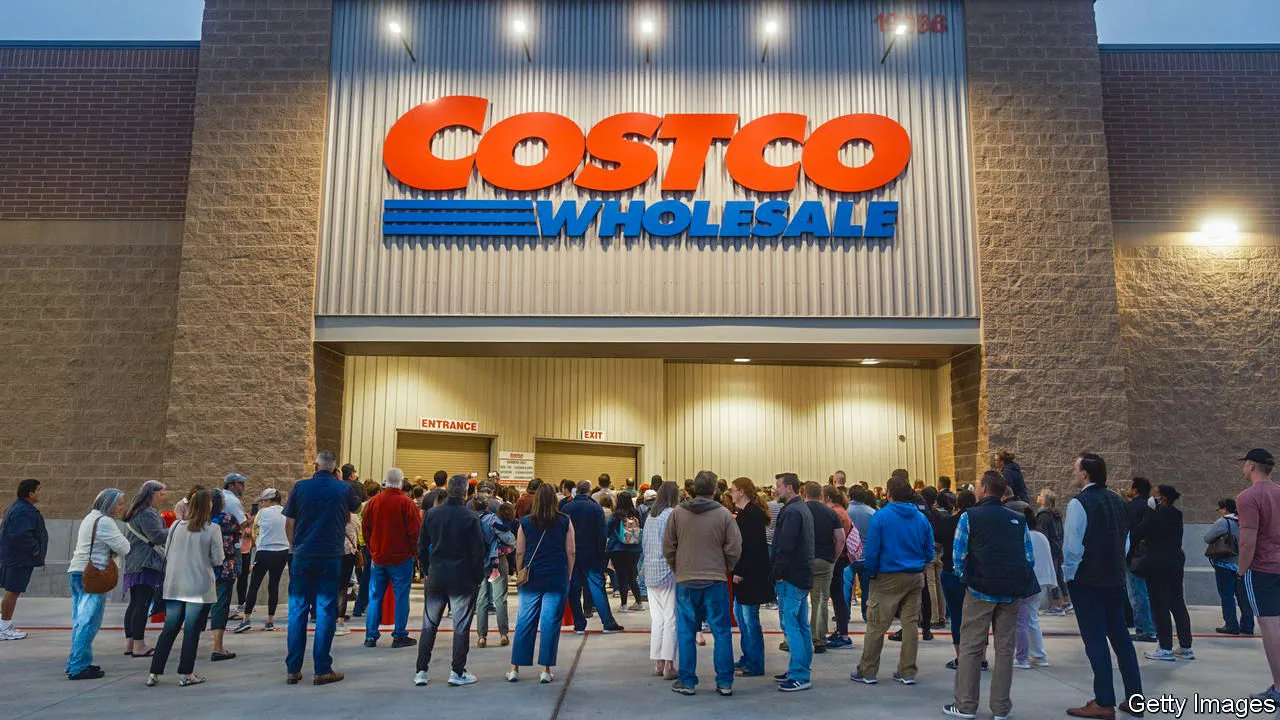
Costco has become much more than a place to buy groceries and household products. For millions of shoppers, it is part of their regular routine. People often talk about Costco with unusual excitement, share their favorite finds online, and return again and again even when they did not plan to buy anything.
So, why do people love Costco so much?
The answer is a mix of psychology, value, convenience, surprise, trust, and the unique shopping experience created by Costco’s membership-based business model.
What Makes Costco So Popular?
Costco is a membership warehouse retailer known for selling products in large quantities at competitive prices. Its business model is different from a typical supermarket because customers pay for membership and then shop at Costco stores or online.
This membership creates an important psychological effect: customers feel that they have already invested in the store. Once someone pays for a membership, they are more likely to visit Costco regularly to make that investment feel worthwhile.
But membership is only one part of the story.
1. Costco Makes Customers Feel They Are Getting a Deal
One of the strongest reasons people love Costco is the feeling of getting good value.
Shoppers often compare prices and notice that Costco can offer competitive prices on groceries, electronics, household products, clothing, and other goods. Buying larger packages can also make the price per unit attractive.
The psychology is simple: people enjoy feeling that they made a smart purchase.
When shoppers believe they are saving money, the shopping experience becomes more rewarding. This feeling can encourage customers to return to Costco again.
2. The Treasure Hunt Effect
A major part of Costco’s appeal is the “treasure hunt.”
Costco does not always offer exactly the same selection of products. Special products, seasonal items, limited-time deals, and unexpected discoveries can appear in stores.
This creates curiosity.
A customer may visit Costco to buy milk and paper towels but leave with a new jacket, kitchen appliance, snack, or seasonal decoration.
The unpredictable selection creates a psychological reward. Shoppers never know exactly what they will find, which makes each visit feel slightly different.
This is similar to the excitement people experience when discovering something unexpected.
3. Buying in Bulk Creates a Sense of Abundance
Walking through a Costco warehouse can feel different from walking through a small supermarket.
Large packages, tall shelves, and bulk products create a sense of abundance. Customers can see that there is plenty of inventory and many products available.
For families, this can feel practical. Buying larger quantities can reduce the need for frequent shopping trips.
The result is a combination of convenience and perceived value.
4. Costco Builds Trust
Trust is another major part of Costco’s customer loyalty.
People are more likely to return to a retailer when they believe the company stands behind its products and policies. Costco has built a strong reputation around customer service and its membership experience.
A trusted retailer reduces the psychological risk of shopping.
Customers do not have to question every purchase from scratch. If they have had positive experiences before, they are more comfortable returning.
That familiarity can become a powerful reason for long-term loyalty.
5. The Membership Creates a Psychological Commitment
Costco’s membership model is especially interesting from a psychological perspective.
When people pay an annual membership fee, they naturally want to get value from it. This can encourage them to visit Costco more often.
For example, someone may think:
“I already paid for my membership, so I should shop there and make the most of it.”
This is a simple psychological commitment.
The more frequently customers shop at Costco and have positive experiences, the more valuable the membership can feel.
6. Costco Creates a Strong Sense of Discovery
Another reason Costco has such loyal fans is that shopping there can feel like an adventure.
A normal supermarket trip may be predictable. Customers know where their usual products are located and what they will see.
Costco can be less predictable.
A shopper might discover a premium food item, furniture piece, electronics product, clothing brand, or seasonal product they were not expecting.
That sense of discovery can make customers talk about their shopping experiences with friends and family.
7. Social Media Makes the Costco Community Even Stronger
Costco’s popularity has also grown through social media.
People regularly share Costco finds, product recommendations, food discoveries, deals, and unusual products online.
This creates a community around the brand.
When people see others talking positively about Costco, it can reinforce their own interest. A customer may discover a product through a social media post and then visit Costco to find it.
This creates a cycle:
Discovery → Shopping → Positive Experience → Sharing → More Discovery
That cycle can help strengthen Costco’s cult-like following.
8. Costco Turns Shopping Into a Routine
Successful brands often become part of people’s daily or weekly habits.
Costco can become a regular destination for families. Customers may visit every few weeks to restock household essentials, buy food, or look for new products.
Once a shopping habit is established, customers do not need to think very much about where to shop.
Costco becomes the default choice.
This is one of the most powerful forms of customer loyalty because habits can be stronger than simple advertising.
Why Does Costco Have a Cult Following?
Costco’s “cult following” is not necessarily about one product or one advertisement. It comes from several psychological factors working together.
Customers can feel that they are getting value, discovering interesting products, making smart buying decisions, and belonging to a community of fellow shoppers.
The membership model adds commitment, while the changing product selection adds excitement.
Together, these factors create a shopping experience that feels different from traditional retail.
The Bigger Lesson for Other Brands
Costco’s success offers an important lesson for businesses.
Customers do not always become loyal because a company has the cheapest product. They become loyal when a brand consistently delivers value, trust, convenience, excitement, and a positive experience.
Costco combines all of these elements into one shopping model.
That is why its customers often become more than occasional shoppers. They can become passionate supporters of the brand.
Conclusion
People love Costco because it makes shopping feel rewarding.
The combination of competitive value, bulk buying, membership psychology, product discovery, trust, convenience, and social community creates a powerful customer experience.
The biggest secret behind Costco’s cult following may be that customers feel they are getting more than products. They are getting value, discovery, and the feeling of making smart choices.
That emotional connection helps explain why so many Costco shoppers keep coming back.
