

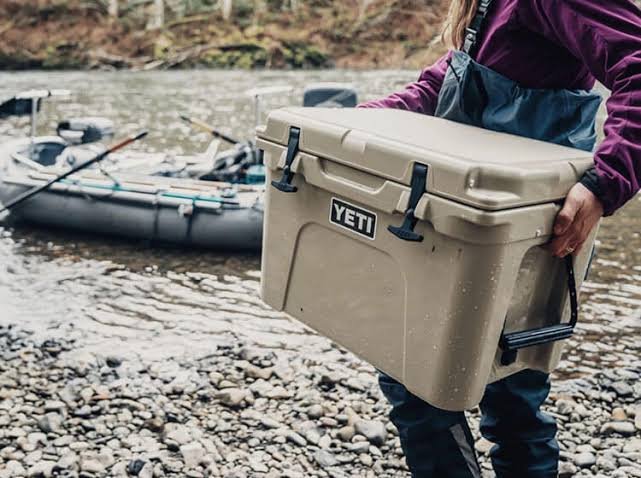
YETI has transformed an everyday outdoor product into a symbol of quality, adventure, and premium living. What was once a simple cooler used to keep food and drinks cold has become a popular lifestyle product among campers, travelers, fishermen, and outdoor enthusiasts. The brand has built its reputation through durable products, premium pricing, and a strong connection with outdoor culture.
But how did YETI turn an ordinary cooler into a status symbol? The answer lies in its product quality, branding strategy, customer experience, and understanding of what modern consumers value.
What Is YETI and Why Is It So Popular?
YETI is an American outdoor products brand known for its coolers, insulated drinkware, bags, and outdoor accessories. The company was founded in 2006 by brothers Roy and Ryan Seiders, who wanted to create better-quality coolers for people who spent time outdoors.
Traditional coolers often struggled with durability under demanding conditions. YETI focused on creating products that could withstand rough use while keeping food and drinks cold for extended periods.
Over time, the company expanded beyond coolers into products such as insulated tumblers, water bottles, and travel gear. Its recognizable designs and premium positioning helped it reach customers far beyond its original outdoor audience.
Today, YETI represents more than practical equipment. For many buyers, it represents an active lifestyle, durability, and a preference for premium products.
How YETI Turned a Cooler Into a Premium Product
One of the biggest reasons behind YETI’s success is its focus on product performance. Instead of competing only on price, the brand emphasized durability, insulation, and reliability.
Many YETI hard coolers feature thick insulation, robust construction, and strong components designed for outdoor use. These features help explain why the products can cost considerably more than basic coolers.
Customers who regularly go camping, fishing, boating, or on long road trips may see the higher price as an investment in a product that can last for years.
However, not every consumer needs the features of a premium cooler. Someone who only needs to keep drinks cold during an occasional picnic may find a less expensive alternative perfectly suitable.
YETI’s strategy demonstrates how a company can create a premium market by offering specialized performance rather than competing entirely on affordability.
The Power of YETI’s Brand Image
Product quality is only one part of the story. YETI has also built a strong brand identity around adventure, exploration, and outdoor experiences.
Its marketing frequently connects the products with fishing trips, camping adventures, wildlife, and life away from busy cities. These images help customers associate the brand with experiences rather than simply with containers that keep drinks cold.
This emotional connection is important in modern marketing. Consumers often purchase products because of what those products represent, not just because of their practical functions.
For example, owning a YETI cooler may communicate that someone enjoys outdoor activities and values dependable equipment. Its recognizable logo and premium appearance can also make the product attractive to people who appreciate established brands.
As a result, YETI has created a brand identity that extends beyond its original customer base.
Why YETI Has Become a Status Symbol
A status symbol is an item that communicates a person’s lifestyle, preferences, or social identity. Luxury watches, designer handbags, and premium automobiles are common examples.
YETI occupies a different category, but some of the same principles apply.
1. Premium pricing
YETI products generally cost more than many basic alternatives. Higher prices can reinforce the perception of quality and exclusivity, although price alone does not prove that a product is better.
2. Recognizable branding
The YETI name and logo are widely associated with outdoor equipment. Recognition makes the products easier to identify and can increase their appeal as lifestyle accessories.
3. Practical value
Unlike products purchased purely for appearance, YETI coolers and drinkware have clear everyday uses. Buyers can enjoy their performance while also appreciating the brand’s image.
4. Lifestyle association
Camping, fishing, road trips, tailgating, and outdoor recreation are central to YETI’s identity. Customers who identify with these activities may feel a stronger connection to the brand.
5. Social visibility
YETI products often appear at campsites, sporting events, outdoor gatherings, and social media posts. This visibility can strengthen brand recognition and encourage other consumers to consider the products.
Together, these factors help explain how a practical outdoor product can become a symbol of lifestyle and personal taste.
YETI’s Marketing Strategy: Selling Experiences, Not Just Products
YETI’s marketing strategy focuses on the people and activities surrounding its products. Rather than relying only on technical specifications, the brand tells stories about outdoor adventures and the people who participate in them.
This approach makes the products feel connected to a larger community.
The company has also benefited from content featuring outdoor professionals, athletes, adventurers, and passionate customers. These stories demonstrate how its products fit into real activities and help communicate the brand’s values.
Another important element is product diversification. YETI expanded from coolers into drinkware, bags, and accessories, allowing customers to interact with the brand in different parts of their daily lives.
Its drinkware products, for example, appeal to people who may never purchase a large outdoor cooler. This broader product range creates more opportunities for brand discovery and repeat purchases.
For businesses, YETI offers an important marketing lesson: a strong brand can connect functional products with a clear identity, emotional appeal, and consistent customer experience.
Is YETI Worth the Price?
Whether YETI is worth the price depends on how a customer plans to use the product.
For frequent campers, fishermen, boat owners, and outdoor travelers, a durable cooler may provide meaningful long-term value. Construction quality, insulation performance, usability, and expected lifespan can all influence the buying decision.
For occasional users, a budget-friendly cooler may offer sufficient performance at a lower cost.
The same principle applies to YETI drinkware. Buyers should compare capacity, insulation, design, ease of cleaning, durability, and price before making a purchase.
Consumers should also consider their actual needs instead of assuming that an expensive product is always the best choice.
YETI’s popularity shows that customers may be willing to pay a premium when they believe a product offers a useful combination of performance, design, and brand identity.
What Other Brands Can Learn From YETI
YETI’s growth provides several lessons for businesses looking to build premium brands.
First, focus on solving a real customer problem. Product quality gives buyers a practical reason to choose a brand.
Second, create a clear brand identity. Customers should understand what a company represents and why it is different from competitors.
Third, use storytelling to make products memorable. Real customer experiences can communicate value more effectively than a long list of features alone.
Finally, maintain consistency across products, marketing, and customer service. A premium image becomes more credible when the actual customer experience supports it.
Small businesses do not need YETI’s budget to apply these principles. They can begin with a specific audience, a useful product, clear messaging, and authentic customer stories.
Conclusion
YETI’s journey shows how a simple cooler can become much more than an outdoor accessory. By combining durable product design, premium positioning, recognizable branding, and storytelling centered on adventure, the company has built a strong connection with consumers.
Its products serve practical needs, but its brand also represents a lifestyle that customers want to experience and share.
YETI’s success is a reminder that powerful branding comes from combining real product value with a meaningful identity. When customers believe in both, an everyday product can become a premium purchase and, for some, a status symbol.

1 Comment
Pingback: Kendra Scott: How a $500 Jewelry Idea Became a Global Fashion Empire - americachronicle.com