

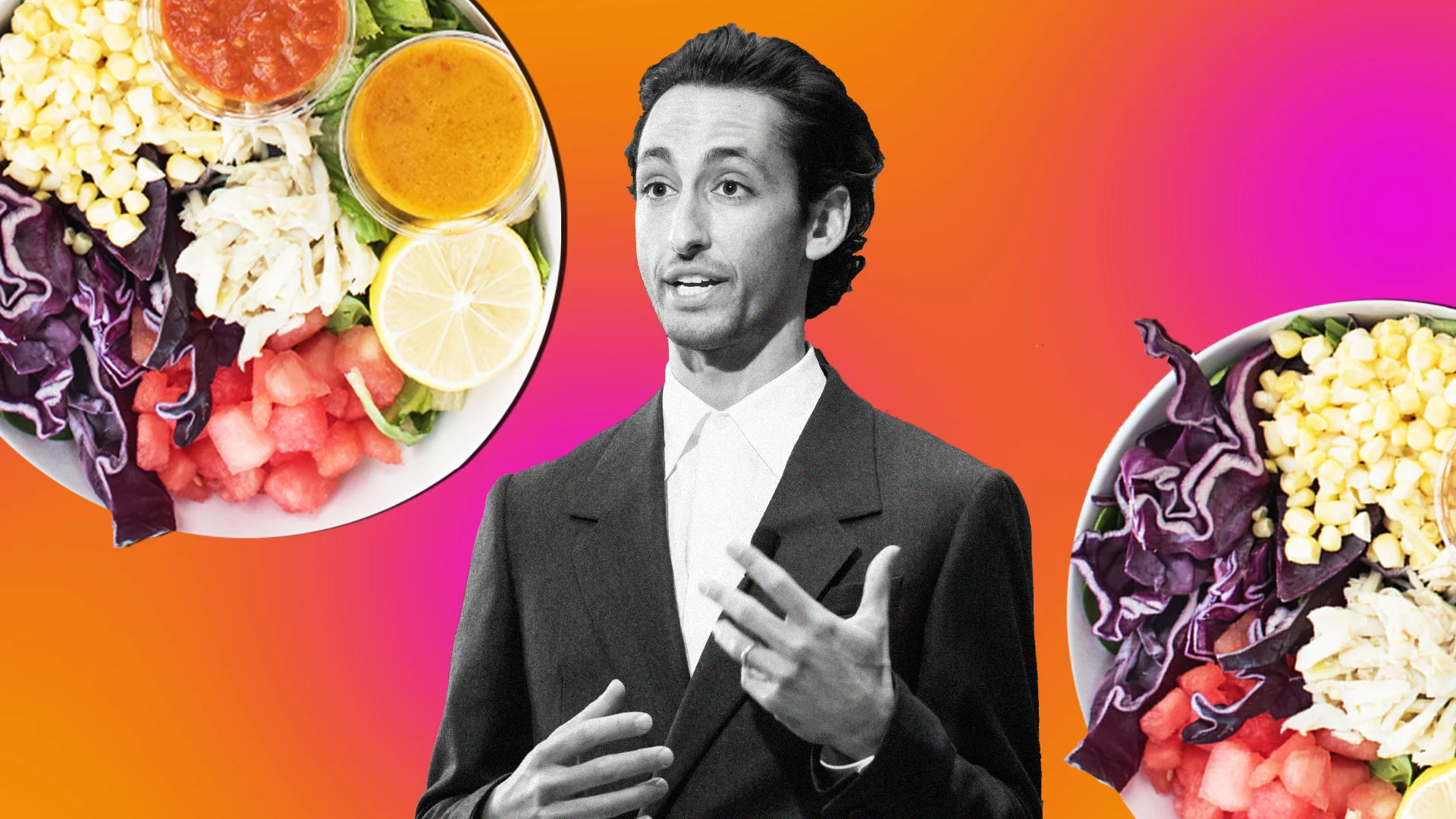
Sweetgreen has changed the way many people think about healthy eating. Instead of treating salads as a simple side dish, the company has built a restaurant brand around fresh ingredients, convenient meals, and a healthy lifestyle. Its success shows how a food business can grow by connecting its products with customers’ everyday habits and values.
Founded in 2007, Sweetgreen started with a simple idea: make fresh, healthy food more accessible. Over time, it developed into a well-known fast-casual restaurant chain in the United States. The company combines seasonal ingredients, digital ordering, and modern restaurant design to attract customers who want convenient meals without giving up their interest in healthy eating.
But how did Sweetgreen turn a salad business into a lifestyle brand? Its approach to food, technology, marketing, and customer experience offers useful lessons for entrepreneurs and restaurant owners.
What Is Sweetgreen?
Sweetgreen is an American fast-casual restaurant company best known for its salads, grain bowls, and other fresh meals. The brand focuses on using quality ingredients and offering customers convenient food options.
Unlike traditional fast-food restaurants that often focus on burgers, fries, and fried meals, Sweetgreen built its identity around fresh produce, vegetables, grains, and customizable combinations.
Customers can choose from different menu options or create meals based on their preferences. This flexibility helps the brand appeal to people with different tastes and dietary needs.
Sweetgreen’s business also reflects changing consumer habits. Many customers want food that fits their busy schedules while supporting their personal health goals.
How Sweetgreen Started Its Journey
Sweetgreen was founded in 2007 by Nicolas Jammet, Nathaniel Ru, and Jonathan Neman. The three founders met while studying at Georgetown University in Washington, D.C.
They noticed that convenient food options often did not match their expectations for fresh, quality meals. This inspired them to create a restaurant that made healthy eating easier and more appealing.
Their first restaurant opened near Georgetown University. The business gradually expanded as more customers became interested in fresh meals and convenient dining experiences.
Sweetgreen later grew beyond its original market and became a publicly traded company in 2021.
The company’s journey demonstrates how identifying an everyday customer problem can become the foundation of a scalable business.
How Sweetgreen Turned Salads Into a Lifestyle Brand
1. It Made Healthy Eating Appealing
One of Sweetgreen’s biggest strengths is its branding. The company presents healthy food as something enjoyable, modern, and convenient rather than boring or restrictive.
Its colorful salads, fresh ingredients, and attractive food presentation make meals appealing to customers who care about both taste and appearance.
The brand also connects food with broader lifestyle interests, including wellness, fitness, and mindful food choices.
This approach helps Sweetgreen sell more than a meal. It promotes an experience that customers can include in their everyday routines.
2. It Focuses on Ingredient Quality
Fresh ingredients are central to Sweetgreen’s brand identity. The company emphasizes produce, grains, and other ingredients that support its fresh-food positioning.
It has also highlighted its relationships with suppliers and farmers as part of its approach to sourcing.
Ingredient quality matters because customers expect a premium experience when they pay more for a salad than they might pay for a basic fast-food meal.
However, sourcing practices and ingredient availability can vary by product and location. Customers should check current menu information for specific ingredient details.
3. It Uses Technology to Improve Convenience
Technology is another important part of Sweetgreen’s business model.
The company offers digital ordering through its website and mobile app, allowing customers to order meals without spending as much time waiting in line.
Digital channels can also help restaurants manage orders and learn more about customer preferences.
For busy professionals, students, and people with demanding schedules, the ability to order food quickly is an important benefit.
Sweetgreen’s technology strategy shows that a modern restaurant needs to think beyond its physical locations. Digital experiences can play a major role in customer satisfaction and repeat purchases.
4. It Builds a Strong Brand Identity
Sweetgreen uses a modern visual identity, simple design, and consistent messaging to create a recognizable brand.
Its restaurants and marketing materials support the idea that healthy food can fit naturally into an active, urban lifestyle.
The brand’s messaging also connects with customers who care about food quality and sustainability.
Strong branding helps a company stand out in a competitive market. When customers recognize a brand’s values and experience, they may be more likely to choose it again.
5. It Connects With Younger Consumers
Sweetgreen has appealed to customers who are interested in convenience, wellness, and modern food experiences.
Its digital ordering options and contemporary branding fit the habits of many younger professionals and urban consumers.
Social media can also help food brands present their products visually, introduce new menu items, and encourage customers to share their experiences.
Rather than relying only on traditional advertising, lifestyle-oriented brands can build relationships through content, customer engagement, and consistent brand communication.
Sweetgreen’s Business Model Explained
Sweetgreen primarily earns revenue by selling food and beverages through its restaurant locations and digital ordering channels.
Its business model combines several important elements:
- Restaurant sales: Customers purchase salads, bowls, and other menu items.
- Digital orders: Website and app ordering provide additional ways to reach customers.
- Premium positioning: The brand emphasizes fresh ingredients and convenience to differentiate itself from lower-priced fast-food options.
- Repeat customers: Convenient service and menu variety can encourage regular visits.
However, premium pricing does not automatically guarantee profitability. Restaurant businesses must also manage rent, employee wages, ingredient costs, delivery expenses, and other operating costs.
Sweetgreen’s long-term performance depends on balancing customer demand with efficient restaurant operations.
Challenges Facing Sweetgreen
Despite its brand recognition, Sweetgreen faces several challenges.
First, fresh ingredients can be expensive, and food costs may change with supply conditions. Second, customers who are sensitive to price may choose cheaper alternatives.
The company also competes with other fast-casual restaurants, local salad shops, grocery stores, and traditional fast-food chains offering healthier menu options.
Expansion presents another challenge. Opening new locations requires investment, suitable locations, trained employees, and consistent food quality.
These factors show why strong marketing must be supported by efficient operations and a business model that can generate sustainable profits.
What Entrepreneurs Can Learn From Sweetgreen
Sweetgreen offers several valuable lessons for entrepreneurs.
Solve a clear customer problem. The company focused on making fresh food convenient for people who wanted alternatives to traditional fast food.
Build a recognizable brand. A business can stand out by communicating a clear purpose and delivering a consistent customer experience.
Use technology wisely. Digital ordering and customer-friendly services can make buying easier and encourage repeat business.
Focus on quality and consistency. Customers are more likely to return when products meet their expectations.
Create long-term customer relationships. Successful lifestyle brands connect their products with customers’ needs, preferences, and routines.
These lessons can apply to businesses beyond food, including fashion, beauty, fitness, and e-commerce.
Conclusion
Sweetgreen has shown how a simple salad concept can develop into a recognizable lifestyle brand. By combining fresh-food positioning, modern branding, digital convenience, and a focus on customer experience, the company has created a distinctive place in the American fast-casual restaurant market.
Its journey also highlights an important business lesson: a successful brand needs more than an attractive product. It needs a clear purpose, a strong customer experience, and a business model that supports long-term growth.
For entrepreneurs, Sweetgreen provides a useful example of how everyday products can become part of a customer’s lifestyle when quality, convenience, and branding work together.
