

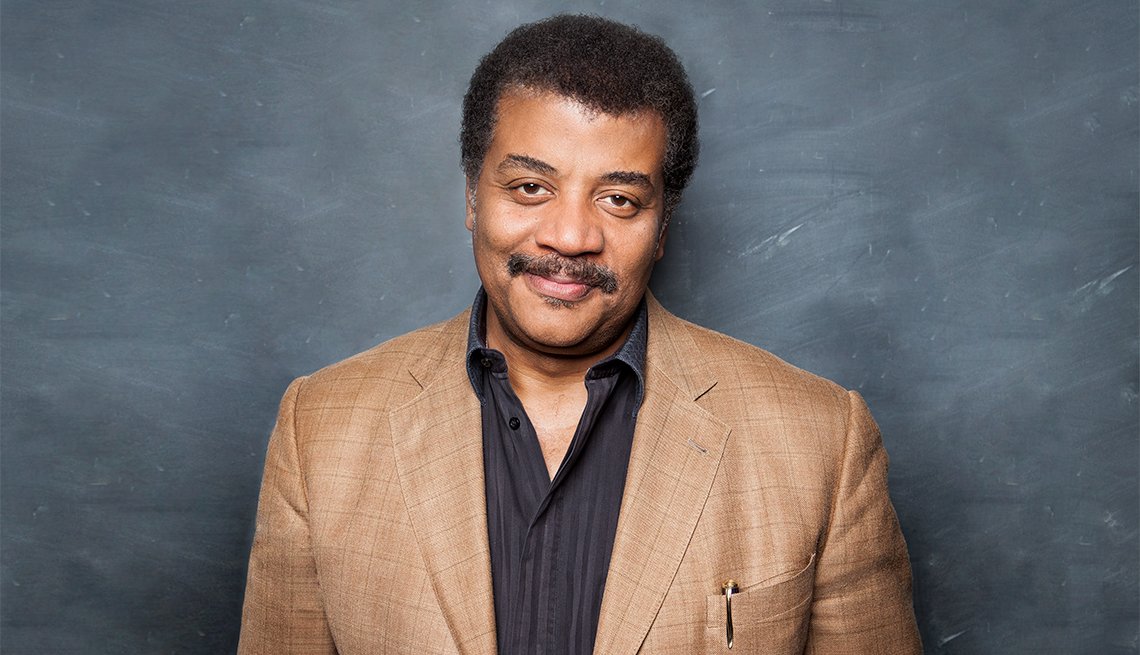
Neil deGrasse Tyson is one of the most well-known science communicators in the world. As an American astrophysicist, author, and television presenter, he has inspired millions of people to learn about space, the universe, and the wonders of science. Through his books, Tyson explains complex scientific ideas in simple and engaging language, making astronomy and physics accessible to readers of all ages.
Whether you are a beginner, a student, or a lifelong science enthusiast, Neil deGrasse Tyson’s books offer valuable insights into the cosmos. This complete reading guide highlights his best books and explains why they deserve a place on your bookshelf.

Who Is Neil deGrasse Tyson?
Neil deGrasse Tyson is an American astrophysicist, science writer, and educator. He serves as the director of the Hayden Planetarium at the American Museum of Natural History in New York City. Over the years, Tyson has become a trusted voice in science through television shows, podcasts, public lectures, and bestselling books.
His mission is simple: to make science understandable and exciting for everyone.
Why Read Neil deGrasse Tyson’s Books?
Tyson has a unique ability to explain difficult scientific concepts in an easy and entertaining way. His books combine scientific facts with humor, storytelling, and real-life examples.
Here are a few reasons why readers enjoy his work:
- Easy-to-understand explanations
- Interesting stories about space and the universe
- Reliable scientific information
- Inspiring discussions about humanity’s place in the cosmos
- Suitable for beginners as well as experienced science readers
1. Astrophysics for People in a Hurry
This is one of Neil deGrasse Tyson’s most popular books. It is perfect for readers who want to understand the universe without reading a large textbook.
The book explains topics such as:
- The Big Bang
- Dark matter
- Dark energy
- Black holes
- Galaxies
- The expansion of the universe
Each chapter is short, making it ideal for busy readers who want to learn science in small, enjoyable sections.
Best for: Beginners and casual readers.
2. Cosmos
Inspired by the famous television series, Cosmos explores the history of the universe, scientific discoveries, and humanity’s search for knowledge.
The book encourages readers to think beyond Earth and appreciate the beauty of the cosmos. Tyson presents scientific ideas with clarity while connecting them to history and philosophy.
Best for: Readers interested in astronomy and the history of science.
3. Death by Black Hole
This collection of essays answers fascinating questions about space in a friendly and humorous style.
Topics include:
- What happens inside a black hole?
- Could Earth be destroyed by cosmic events?
- How do stars live and die?
- What makes the universe so mysterious?
The essays are informative while remaining entertaining.
Best for: Readers who enjoy short science articles.

4. Letters from an Astrophysicist
In this inspiring book, Tyson shares real letters he received from readers around the world and provides thoughtful responses.
The letters cover many topics, including:
- Science and religion
- Education
- Career advice
- Curiosity
- Space exploration
This book reveals Tyson’s personal side and encourages readers to ask questions about the universe.
Best for: Students and young science enthusiasts.
5. Accessory to War
Co-written with Avis Lang, this book explores the surprising relationship between science, astronomy, technology, and military history.
Readers discover how wars have influenced scientific discoveries and how scientific research has shaped modern technology.
It is a unique blend of history, politics, and astrophysics.
Best for: Readers interested in science and history.
Which Neil deGrasse Tyson Book Should You Read First?
If you’re new to his work, this reading order is recommended:
- Astrophysics for People in a Hurry
- Death by Black Hole
- Letters from an Astrophysicist
- Cosmos
- Accessory to War
This sequence gradually introduces more advanced ideas while keeping the learning experience enjoyable.
What Makes Neil deGrasse Tyson Different?
Many science writers focus only on facts, but Tyson combines science with storytelling. He explains how scientific discoveries affect everyday life and encourages readers to think critically.
His writing style includes:
- Simple language
- Real-world examples
- Humor
- Historical context
- Thought-provoking questions
This approach makes learning science less intimidating and more enjoyable.
Why His Books Matter Today
In today’s world, scientific literacy is more important than ever. Understanding topics like space exploration, climate science, and technology helps people make informed decisions.
Neil deGrasse Tyson’s books inspire curiosity and remind readers that science is not just for scientists—it is for everyone. His work encourages people to explore, question, and appreciate the incredible universe we live in.

Tips for Getting the Most Out of His Books
To fully enjoy Tyson’s books:
- Read with curiosity and an open mind.
- Look up images or videos of astronomical objects mentioned in the book.
- Take notes on new scientific concepts.
- Discuss interesting ideas with friends or family.
- Continue learning through documentaries and educational podcasts.
Conclusion
Neil deGrasse Tyson has made science accessible to millions through his engaging books and public outreach. Whether you want a quick introduction to astrophysics or a deeper understanding of the universe, his books offer something for every reader.
If you are just beginning your journey into astronomy, Astrophysics for People in a Hurry is the perfect starting point. As your interest grows, books like Death by Black Hole, Letters from an Astrophysicist, Cosmos, and Accessory to War will expand your knowledge and inspire a lifelong love of science.
Reading Neil deGrasse Tyson’s books is more than learning about stars and galaxies—it is an invitation to explore the universe with curiosity, wonder, and a greater appreciation for our place within it.
