

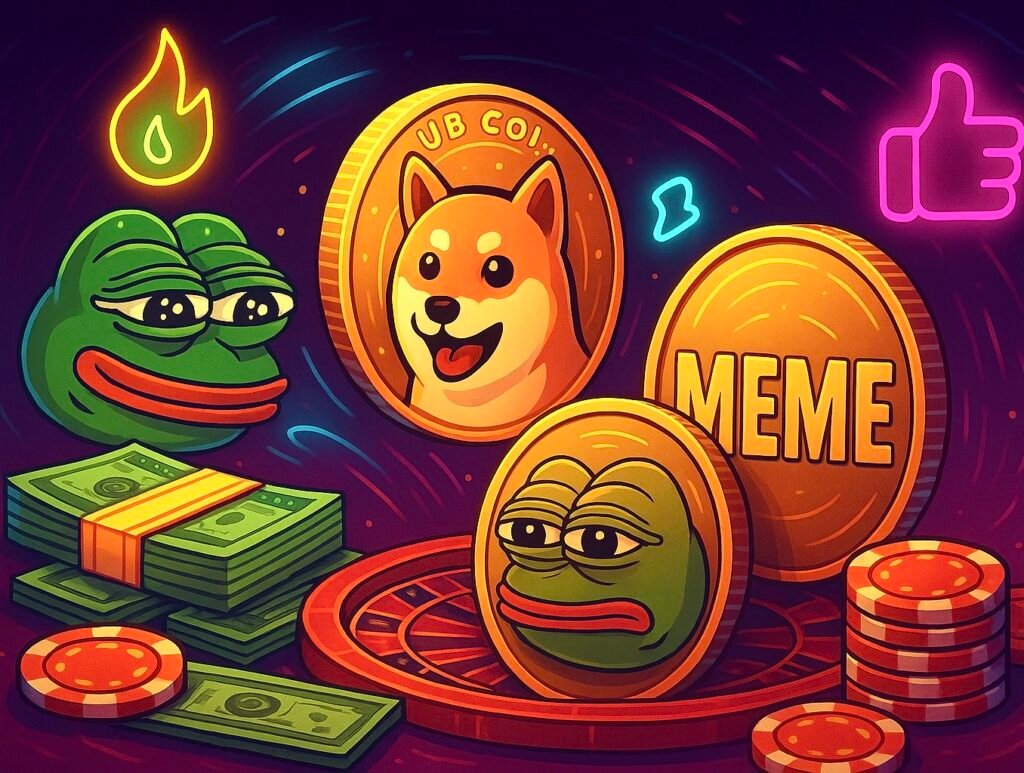
The internet has the power to turn a simple joke into a global trend within hours. In the cryptocurrency market, this same power has helped meme coins attract millions of dollars in trading activity. From Dogecoin to Shiba Inu and newer community-driven tokens, meme coins have become an important part of online crypto culture.
But how do meme coins turn viral internet trends into millions in crypto? The answer lies in social media attention, online communities, investor psychology, market demand, and speculation.
Meme coins can generate enormous attention, but they also carry significant risks. Understanding how they work can help readers separate internet hype from real financial value.
What Are Meme Coins?
Meme coins are cryptocurrencies inspired by internet jokes, popular memes, animals, celebrities, or online communities. Unlike many cryptocurrencies designed around specific technical problems, meme coins often depend heavily on popularity, community participation, and market sentiment.
Dogecoin, originally created as a joke in 2013, is one of the best-known examples. Shiba Inu later gained attention through online communities and social media discussions.
Some meme coins develop additional features, such as payment tools, decentralized applications, or ecosystem projects. However, many have little practical utility, and their prices may depend largely on speculation.
1. How Viral Internet Trends Create Demand
Virality is one of the biggest forces behind meme coins. A funny image, trending hashtag, influencer post, or popular online discussion can introduce a token to thousands or even millions of people.
When people repeatedly see a meme coin on platforms such as X, Reddit, TikTok, and Telegram, curiosity can grow. Some users begin researching the token, while others buy it because they believe its popularity may increase.
This process can create a cycle:
- A meme or trend attracts attention.
- Online discussions increase awareness.
- More people search for the cryptocurrency.
- Some users purchase the token.
- Rising demand may push its price higher.
- Price increases attract additional attention.
However, this cycle is not guaranteed to continue. Viral attention can disappear quickly, and a token’s price may fall just as rapidly as it rises.
2. The Power of Social Media and Influencers
Social media plays a major role in the popularity of meme coins. Influencers, celebrities, crypto commentators, and online communities can introduce a token to a large audience in a short period.
A single widely shared post can trigger increased searches and trading activity. When well-known personalities discuss a coin, some investors interpret that attention as a sign of potential growth.
However, popularity does not automatically mean a cryptocurrency is valuable or safe. Influencer promotions may be paid, and promotional claims may leave out important risks.
Investors should check whether a promoter has disclosed a financial interest and should never rely on social media posts alone when making financial decisions.
3. How Online Communities Build Meme Coin Hype
Meme coins often grow through strong online communities. Supporters create memes, share videos, discuss price movements, and encourage others to learn about the token.
This community activity can make a cryptocurrency feel like more than a financial asset. It may become part of an online identity or shared internet culture.
For example, Dogecoin gained recognition through its friendly community and popular Shiba Inu dog image. Its history shows how humor and community participation can help a cryptocurrency gain widespread recognition.
Nevertheless, a large community does not guarantee long-term success. Some projects have active followers but limited liquidity, weak development, or concentrated token ownership.
4. How Meme Coins Generate Millions in Trading Activity
Meme coins can attract substantial trading activity when many people buy and sell them within a short period.
Imagine a hypothetical meme coin that initially trades at $0.001. If demand increases sharply, its price might rise to $0.01. Someone holding one million tokens would see the market value of that holding increase from $1,000 to $10,000.
However, this example illustrates a paper gain, not guaranteed profit. The holder must be able to sell the tokens at a suitable price, and transaction fees, slippage, liquidity, and taxes may affect the final result.
It is also important to understand the difference between market capitalization and actual money invested. A rising market capitalization does not mean that an equal amount of cash has entered the project. Trading volume, liquidity, and the distribution of token ownership provide additional context.
5. Why Investors Fear Missing Out
Fear of missing out, commonly called FOMO, is another reason meme coins attract buyers.
When people see screenshots of large gains or hear stories about early investors making money, they may worry about missing the next big opportunity. This emotional response can lead to rushed decisions.
Some traders buy after a token has already experienced a major price increase. If early holders begin selling, late buyers may face significant losses.
A more careful approach involves researching a token before investing, setting a clear risk limit, and avoiding decisions based on excitement or pressure from online communities.
6. The Risks Behind Viral Meme Coins
Although some meme coins have achieved substantial market values, many fail to maintain interest. Investors should understand several important risks.
Extreme volatility: Prices can rise or fall sharply within minutes or hours.
Rug pulls and scams: Some project creators abandon a token after attracting buyers or use deceptive practices to take investors’ money.
Low liquidity: A token may appear valuable on a trading screen, but selling a large holding can be difficult without moving the price.
Concentrated ownership: A small number of wallets may control a large share of the supply, allowing major holders to influence prices.
Limited utility: A token without sustainable demand or a useful purpose may struggle when online attention fades.
Before buying, investors should examine token distribution, liquidity, contract permissions, project disclosures, and the credibility of the team where information is available.
7. Can Meme Coins Continue Growing?
Meme coins are likely to remain part of cryptocurrency culture as long as internet communities create new trends and traders look for speculative opportunities.
However, long-term success will vary from project to project. Some tokens may develop stronger communities and practical uses, while others may disappear when their popularity declines.
The most important distinction is between attention and sustainable value. Viral popularity can create demand, but it does not automatically establish a reliable business model or a secure investment.
Conclusion
Meme coins turn viral internet trends into significant crypto market activity by combining social media attention, online communities, investor emotions, and speculative demand. A joke can become a recognizable cryptocurrency when enough people discuss it, buy it, and share its story.
Yet millions in trading activity do not guarantee that investors are making profits. Prices can collapse, liquidity can disappear, and scams can cause severe losses.
For anyone exploring meme coins, research and risk management are more important than chasing the latest viral trend. Understanding why a coin is popular is only the first step toward understanding whether it has lasting value.

1 Comment
Pingback: Alo Yoga Explained: How a Yoga Brand Became a Celebrity Favorite - americachronicle.com