

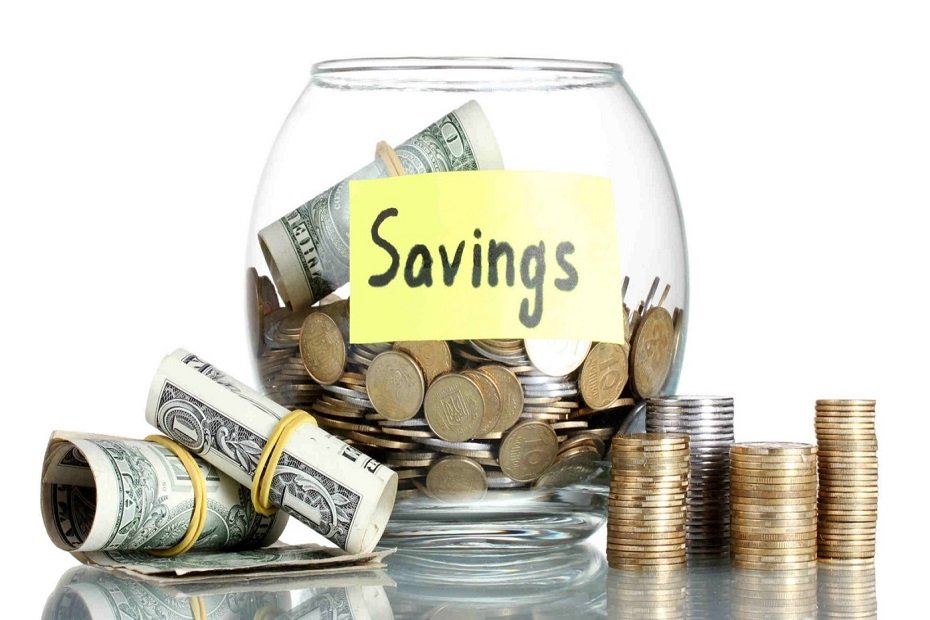
Managing money can feel difficult when expenses keep increasing every month. Many people want to save money but do not know where to start. The good news is that saving money does not have to be complicated. With a simple budget and smart habits, anyone can start saving money quickly.
In this guide, you will learn easy budgeting tips for beginners that can help you control spending, reduce financial stress, and build a better future.
Why Saving Money Is Important
Saving money gives you financial security. It helps you prepare for emergencies, future goals, and unexpected expenses. Without savings, even a small financial problem can become stressful.
Benefits of saving money include:
- Less financial stress
- Better control over spending
- Emergency protection
- Ability to achieve future goals
- Improved financial confidence
Even small savings can grow over time if you stay consistent.
Create a Simple Monthly Budget
The first step to saving money fast is creating a monthly budget. A budget helps you understand where your money goes every month.
Start by listing:
- Monthly income
- Rent or house expenses
- Food expenses
- Transportation costs
- Bills and subscriptions
- Entertainment spending
- Savings goals
After writing everything down, compare your income and expenses. This will help you identify areas where you can reduce spending.
A simple budgeting rule many beginners use is the 50/30/20 rule:
- 50% for needs
- 30% for wants
- 20% for savings
This method makes budgeting easier and more organized.
Track Your Daily Expenses
Many people spend money without realizing how much they waste on small purchases. Daily expense tracking can help you stop unnecessary spending.
You can use:
- A notebook
- Mobile budgeting apps
- Excel sheets
- Notes on your phone
Track every expense for at least one month. You may notice that small daily expenses like snacks, coffee, or online shopping take a large part of your income.
Once you see your spending habits clearly, it becomes easier to save money.
Cut Unnecessary Expenses
One of the fastest ways to save money is reducing unnecessary expenses.
Examples include:
- Unused subscriptions
- Eating out too often
- Impulse shopping
- Expensive entertainment
- Buying things you do not need
Instead of buying expensive products, compare prices and choose affordable options.
Simple lifestyle changes can save hundreds of dollars every month.
Avoid Impulse Buying
Impulse buying is one of the biggest reasons people fail to save money.
Before buying something, ask yourself:
- Do I really need this?
- Can I buy it later?
- Is there a cheaper option?
A smart habit is using the “24-hour rule.” Wait 24 hours before making non-essential purchases. Many times, you will realize you do not actually need the item.
This small trick can help you save a lot of money over time.
Start an Emergency Fund
Unexpected expenses can happen anytime. Medical bills, car repairs, or job loss can create financial problems if you are not prepared.
Try to save a small amount every month for emergencies.
Even saving:
- $5 daily
- $20 weekly
- or $100 monthly
can slowly build a strong emergency fund.
Experts often recommend saving at least 3 to 6 months of living expenses.
Use Cash Instead of Cards
Using credit or debit cards can make overspending easier because you do not physically see the money leaving your hands.
Using cash for daily spending can help you:
- Spend less
- Stay within budget
- Avoid unnecessary shopping
You can also try the envelope budgeting method where you keep cash for different categories like food, travel, and entertainment.
Once the envelope is empty, you stop spending in that category.
Save Money on Food
Food expenses are often one of the biggest monthly costs.
Simple ways to reduce food spending:
- Cook at home
- Plan meals weekly
- Avoid food waste
- Buy groceries in bulk
- Carry homemade lunch
Eating outside frequently can quickly damage your budget. Homemade meals are usually healthier and cheaper.
Set Clear Savings Goals
Saving becomes easier when you have a goal.
Your goals may include:
- Buying a car
- Traveling
- Starting a business
- Paying debt
- Building emergency savings
Write your savings goals clearly and track your progress regularly.
Goals help you stay motivated and disciplined.
Automate Your Savings
Automatic savings can make budgeting easier.
You can set your bank account to automatically transfer money into savings every month.
This method helps because:
- You save before spending
- It builds discipline
- You avoid forgetting to save
Even small automatic transfers can grow into large savings over time.
Final Thoughts
Saving money fast is possible when you follow simple budgeting habits consistently. You do not need a high income to start saving. Small daily improvements can create big financial results over time.
Start with:
- Creating a budget
- Tracking expenses
- Reducing unnecessary spending
- Avoiding impulse purchases
- Saving regularly
The earlier you start managing your money wisely, the stronger your financial future will become.
FAQs
1. What is the easiest way to start saving money?
The easiest way is creating a simple budget and tracking your daily expenses.
2. How much money should beginners save every month?
Beginners should try to save at least 10% to 20% of their monthly income.
3. Why is budgeting important?
Budgeting helps control spending, reduce debt, and increase savings.
4. How can I stop wasting money?
Avoid impulse buying, reduce unnecessary subscriptions, and track your expenses regularly.
5. What is a good emergency fund amount?
A good emergency fund usually covers 3 to 6 months of living expenses.
